SpaceX Tells FAA Its Airspace Rules, Not Rockets, Cap 10,000 Launches
SpaceX told the FAA it expects 10,000 launches a year and that outdated air-traffic processes, not rockets, are the bottleneck, with Starbase Louisiana designed for about 30 flights a day.

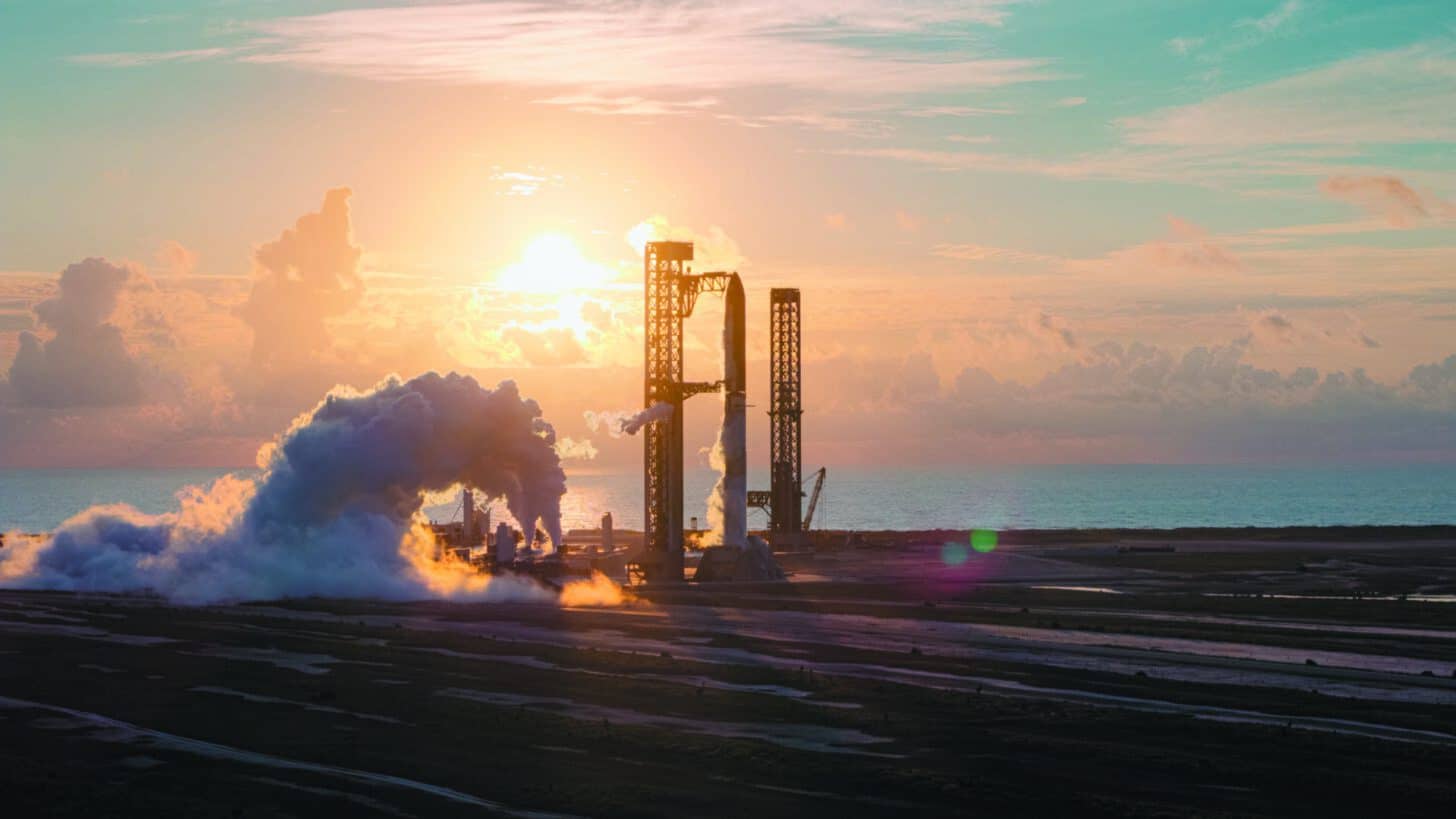
SpaceX told federal aviation regulators that airspace rules, not rockets, are what would hold the company short of 10,000 launches a year.
Elon Musk weighed in late Tuesday, writing that “10k Starship launches/year is just from Starbase Louisiana.”
In comments on a U.S. Department of Transportation and Federal Aviation Administration request for information about siting new spaceports and priority launch-corridor airspace, SpaceX said it anticipates conducting 10,000 launches per year itself. The company argued that the FAA’s current air traffic control structure and processes are outdated and cannot support a materially higher launch or reentry cadence than today’s levels, which it put at 182 licensed launches and 7 licensed reentries in 2025.
That filing landed on docket FAA-2026-9736 after the comment window closed on October 26. The agency’s own August 25 Federal Register notice had already forecast about 10,000 FAA-licensed launches and reentries a year by 2035. SpaceX treated the figure as a company-scale target, and Musk’s post cast the planned Louisiana site as the volume piece for Starship alone.
Alongside the cadence claim, SpaceX pointed to Cleared, its real-time launch-status and airspace platform, and said most major U.S. airlines already get access to the tool and its API at no cost. The company wants that kind of data wired into FAA flow-management and controller tools so hazard areas can shrink and move with the vehicle instead of locking out large blocks of sky for long windows.
For site design, the filing said SpaceX’s planned Starbase Louisiana spaceport is built for about 30 launches and reentries per day. That is the high-cadence private infrastructure the company says priority corridors should cover, not only federal ranges, and it sits beside the existing Starbase, Texas, operation where the FAA is separately reviewing a path toward hundreds of Starship flights a year.
Corridors, in SpaceX’s telling, would let airlines plan around charted routes while operators keep short, repeatable windows. The RFI itself asked industry where new spaceports should go and how priority airspace for critical launch corridors should work as the national launch rate climbs from a few flights a week toward several a day.
None of the paperwork green-lights 10,000 flights on its own. Licensing, environmental review, and air-traffic integration still have to catch up before a Louisiana pad or a Texas PEIS ceiling turns into a daily Starship rhythm, and Flight 15 catch work is still the nearer-term hardware story.
Do you think FAA airspace rules will keep up with a 10,000-launch SpaceX target?
Tesla news, every morning.
Software updates, deliveries, FSD rollouts. Five minutes. Free.
[…] launches per year, and it argues that the biggest obstacle is no longer the rocket. According to TeslaNorth’s report on the filing, the company says the FAA’s air-traffic-control structure and processes are outdated and […]
[…] and that the agency’s air-traffic-control structures are the part most likely to break first. TeslaNorth reported the filing on October 28, 2026 under a headline that frames airspace rules, not rockets, as the cap. The ask lands in a system […]