Image: SpaceX
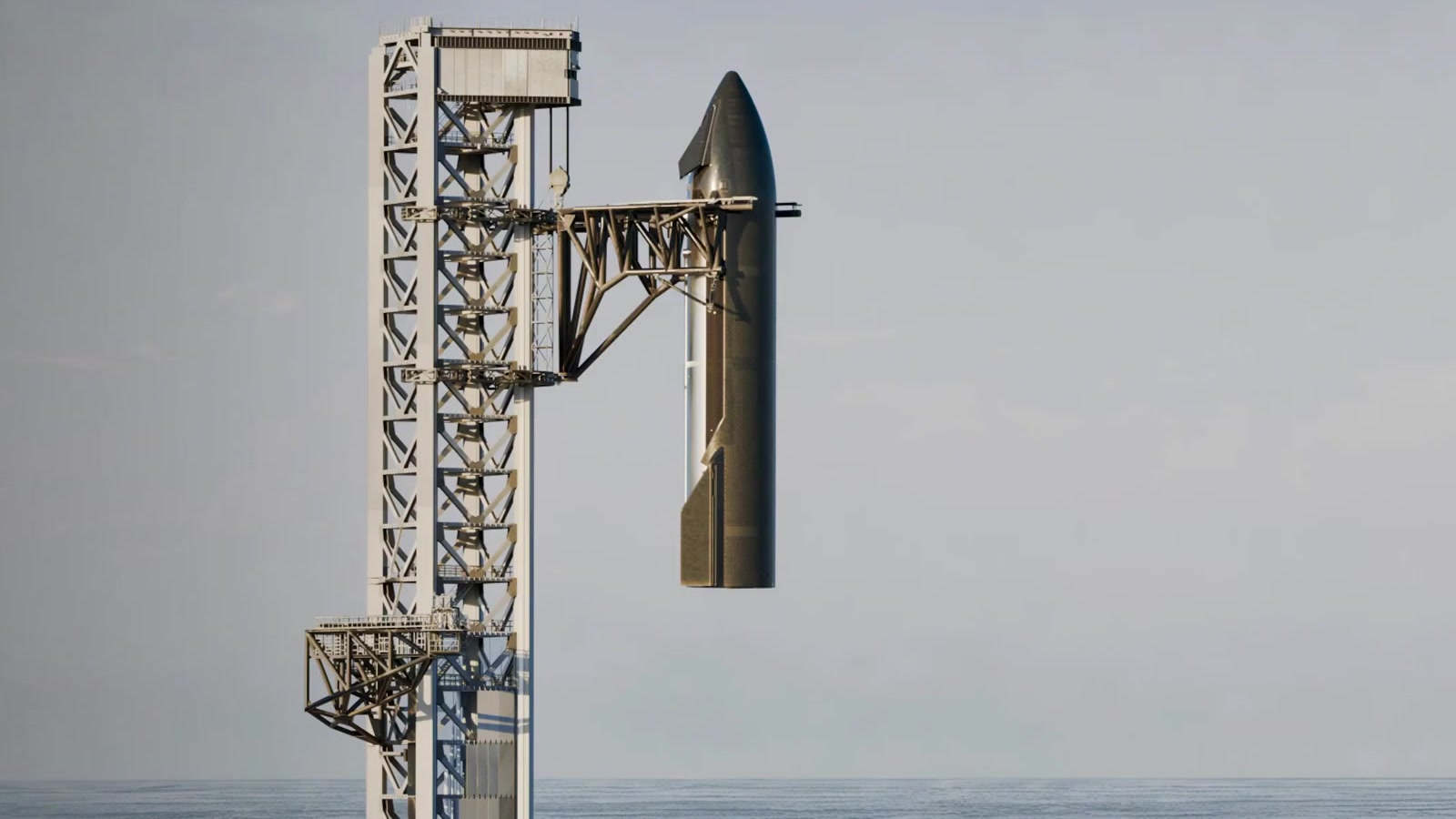
SpaceX will try to catch both the Super Heavy booster and the Starship upper stage on Flight 15 next month, and it showed a new simulation of what that would look like if it works.
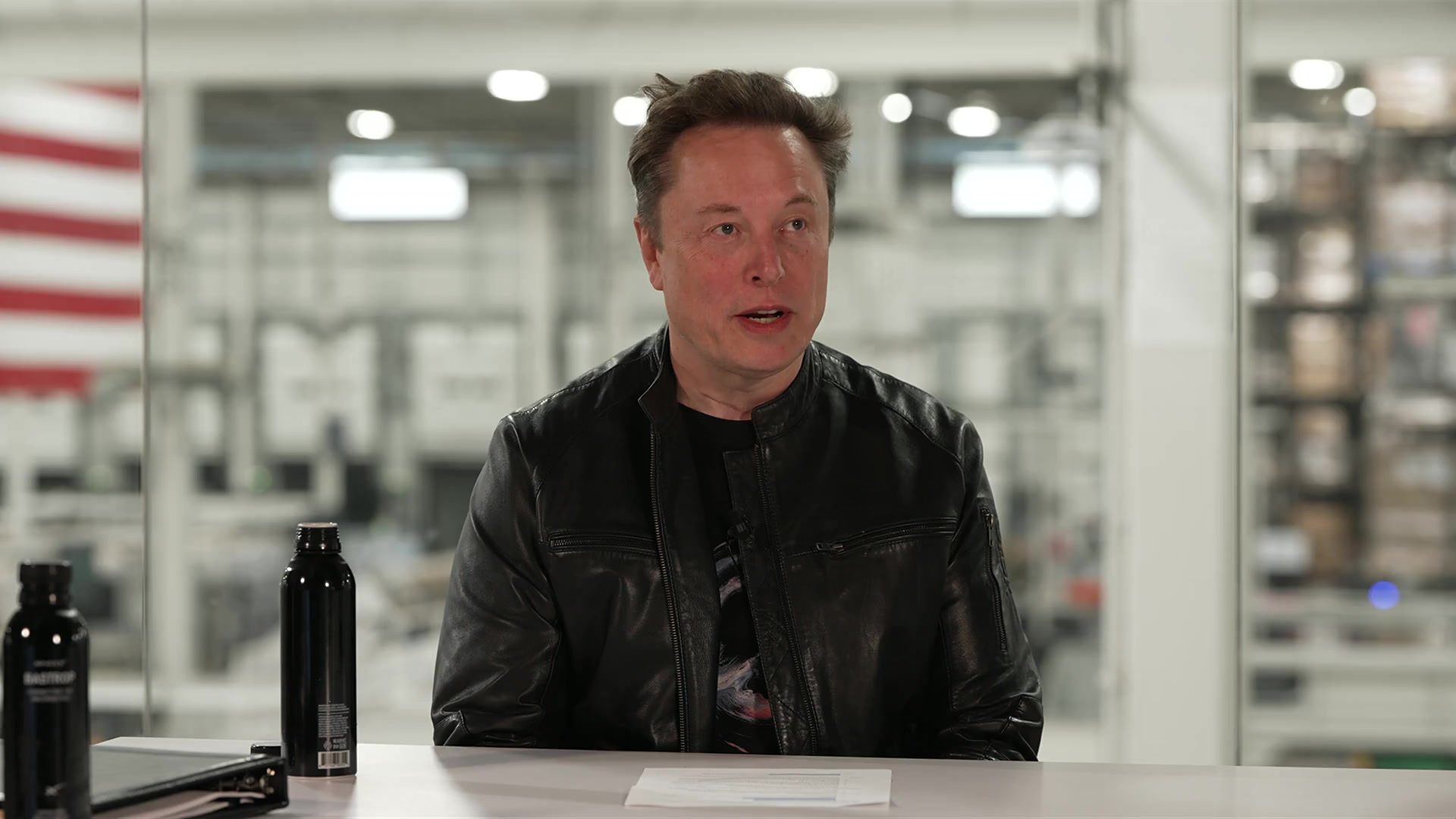
That’s according to SpaceX’s Q3 earnings call on Tuesday, where Elon Musk opened the official webcast with a Starship update. “For Flight 15, which we expect to happen next month, we’re going to attempt to catch both the booster and the ship,” Musk said. He said that if it works, it “will be the first time that an orbital launch vehicle has been fully recovered.” SpaceX then played a simulation of the flight, ending with the ship descending back to the tower and being caught by its arms.
Musk stopped short of promising a clean first attempt. “Success is not guaranteed on these first flights, but I’d say it’s more likely than not that this succeeds next flight,” he said, adding that if it doesn’t, SpaceX has “a steady stream of Starship flight attempts through the end of this year and then accelerating next year.” He said he expects Starship to fly weekly at some point in the first half of 2027 and twice weekly or more often by the end of the year.
SpaceX President Gwynne Shotwell said the company has had “significant constructive engagement with the FAA,” and that SpaceX expects the license for Flight 15 “to include return to launch site and tower catch for both stages.” SpaceX has caught Super Heavy boosters with the tower before, but it has never caught the ship.
The update firms up a timeline Musk first floated earlier this month. On October 10, he said Flight 15 was hopefully four to six weeks away, with the ship catch as the big milestone. Tuesday’s call narrows that to next month, though SpaceX still hasn’t posted a firm launch date.
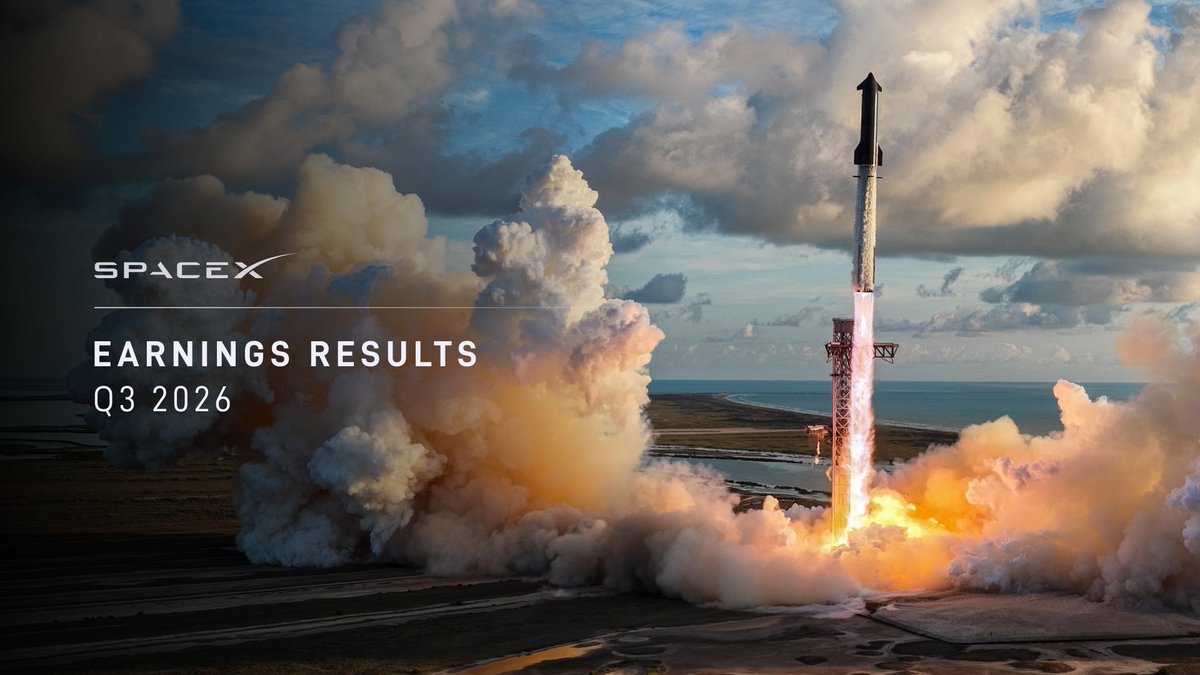
Flight 14 on September 28 was Starship’s first trip to orbit and its first revenue-generating mission, deploying 26 Starlink V3 satellites. Musk said that single flight, which was only about half loaded, added Starlink bandwidth equal to about 10 Falcon 9 launches. SpaceX’s Q3 results on Tuesday also showed the company’s first profitable quarter since going public.
Musk said full reuse is what makes the rest of the plan possible. “The only way that we can extend consciousness beyond Earth on a sustained basis is a fully reusable orbital launch vehicle,” he said, adding that SpaceX’s planned Louisiana spaceport could eventually host 20 or more launch towers.
Do you think SpaceX will catch both stages on the first try next month?