Tesla Seeks Changes to California’s Battery Storage Safety Rules
Tesla is seeking changes to California’s proposed battery-storage disclosures and fire modelling rules. Here’s what the filing would change.
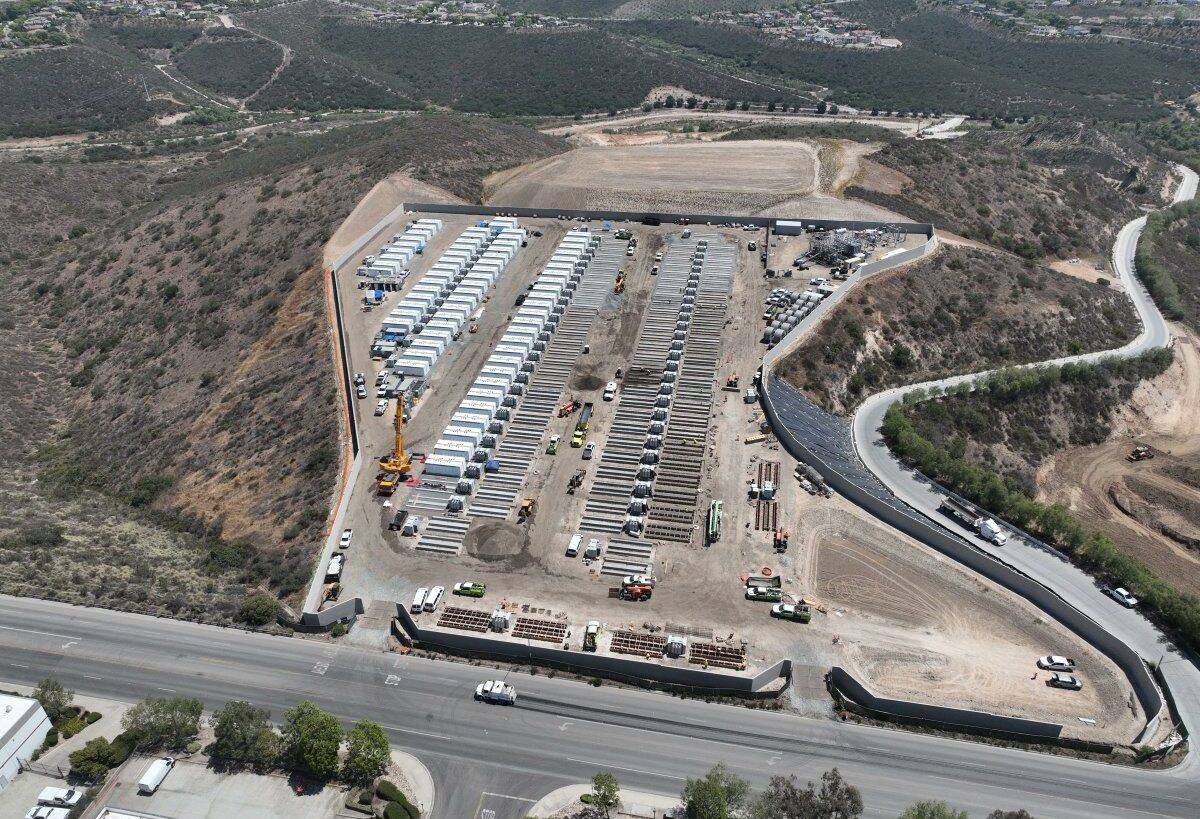
Tesla is asking California to narrow proposed battery-storage fire disclosures, including which past incidents developers must report and whether technical details can be submitted confidentially.
The November 10 comments concern the California Energy Commission’s Opt-In Certification Program. These are Tesla’s requested changes, not adopted rules.
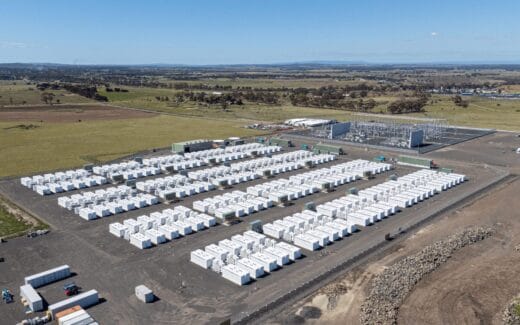
The stakes extend beyond paperwork. Megapacks already serve large California projects, including the 200 MW/800 MWh Condor facility, which stores enough energy to deliver its rated output for four hours. Such installations support peak electricity demand, while their size makes emergency planning important for neighbours and firefighters.
Which incidents would count?
The state’s draft asks for five years of failure incidents involving the selected manufacturer’s battery enclosures, alongside proposed prevention measures. It does not expressly limit that history to the exact model planned for the project.
Tesla wants reporting limited to thermal runaway events resulting in fire in installed, stationary systems matching the proposed product, model and battery chemistry. It argues unrelated products and minor component failures could otherwise be swept in.
It also seeks permission to request confidential treatment for incident descriptions and available root-cause analyses, protecting proprietary data, and wants the requirement to describe prevention measures deleted from that provision.
Fire tests and public-health checks
Tesla would anchor worst-case pollution modelling to its product’s UL 9540A large-scale fire-test conditions, with clearer modelling standards and pollutants relevant to the battery chemistry.
The commission’s proposal already calls for large-scale fire-test reports. Separately, it requires modelling assumptions to be conservative enough to protect public health, comparisons against exposure thresholds, and mitigation where impacts exceed its threshold. The dispute is therefore partly about how broadly to define a credible worst case.
The filing also seeks detailed safety disclosures only for selected equipment and recognition of existing shipping regulations for transportation safety.
Those requests do not establish that battery fires have been eliminated. Tesla’s separate grid-fault simulation work addresses another aspect of Megapack performance; it is not a substitute for fire-risk assessment.
How much battery-fire history should communities be able to review before a major storage project is approved?
Tesla news, every morning.
Software updates, deliveries, FSD rollouts. Five minutes. Free.