Google Taps Blue Origin for Its First Dedicated AI Satellite Launch
Google has selected New Glenn for a dedicated Project Suncatcher launch in early 2029, after SpaceX carried its first prototype into orbit.

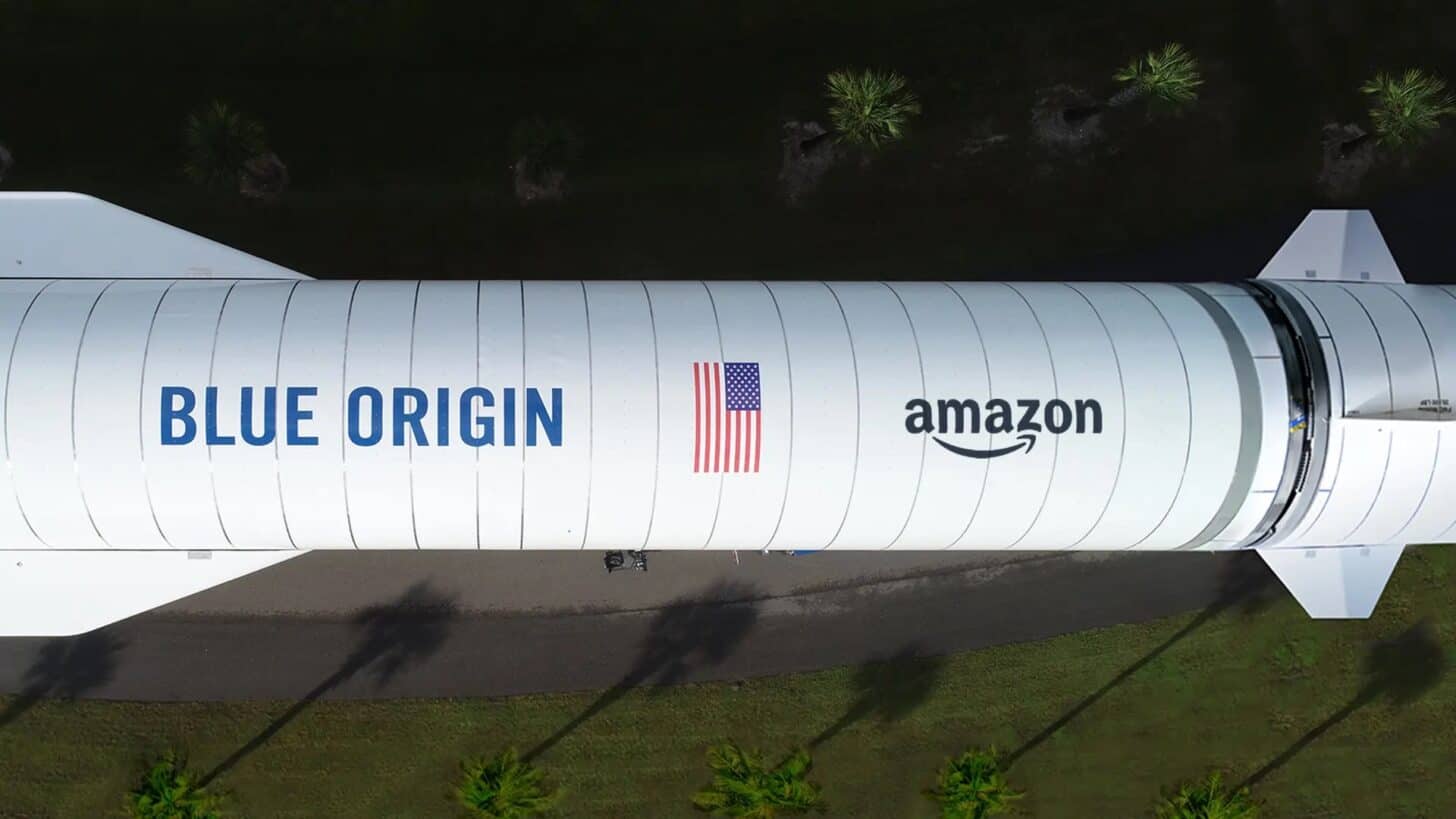
Google has booked Blue Origin’s New Glenn rocket for a dedicated launch of its Project Suncatcher AI satellites, adding another launch provider to a research effort that has already flown with SpaceX.
The mission is targeted for the first quarter of 2029. Blue Origin says it will be Google’s first dedicated heavy-lift launch for Suncatcher, with satellites heading into a sun-synchronous orbit.
Each satellite is expected to carry computing capacity roughly comparable to a data centre rack. Google is exploring whether networks of solar-powered satellites equipped with its Tensor Processing Units, or TPUs, could handle machine learning workloads in space.
Blue Origin announced the launch services agreement on November 19. Jordan Charles, the company’s senior vice president of New Glenn, pointed to the rocket’s lifting capacity and payload space, while Google’s Project Suncatcher lead Travis Beals described the mission as a milestone in the longer-term research programme.
SpaceX Already Launched the First Prototype
This is not Google’s first Suncatcher flight. Google confirmed on October 1 that its initial prototype, built with Planet, had reached orbit on SpaceX’s Transporter-18 rideshare mission.
That satellite is helping researchers study how Google’s chips cope with launch stress, radiation and temperature extremes. A dedicated heavy-lift mission is a different step from that early rideshare test.
The New Glenn announcement does not say SpaceX lost an existing contract, or that Blue Origin will handle every future Suncatcher launch. It also does not mean Google has a commercial orbital data centre ready to switch on.
The agreement comes as SpaceX is making its own push into orbital computing. Elon Musk has predicted that monthly compute deployment in orbit could overtake terrestrial additions around late 2028. He later argued that almost all future superintelligence compute would be in space.
Those are forecasts, not proof that the technical and economic challenges have been solved. Google’s approach remains a research project, with the 2029 launch intended to help test what comes next.
Do you think orbital AI infrastructure will become practical this decade?
Image: Blue Origin rocket hardware, file photo
Tesla news, every morning.
Software updates, deliveries, FSD rollouts. Five minutes. Free.