Tesla’s New Supercharger Talks to the Grid to Open Sooner
Tesla’s Cloverdale Supercharger uses PG&E Flex Connect to open sooner. Here’s how it works and what it means for drivers.
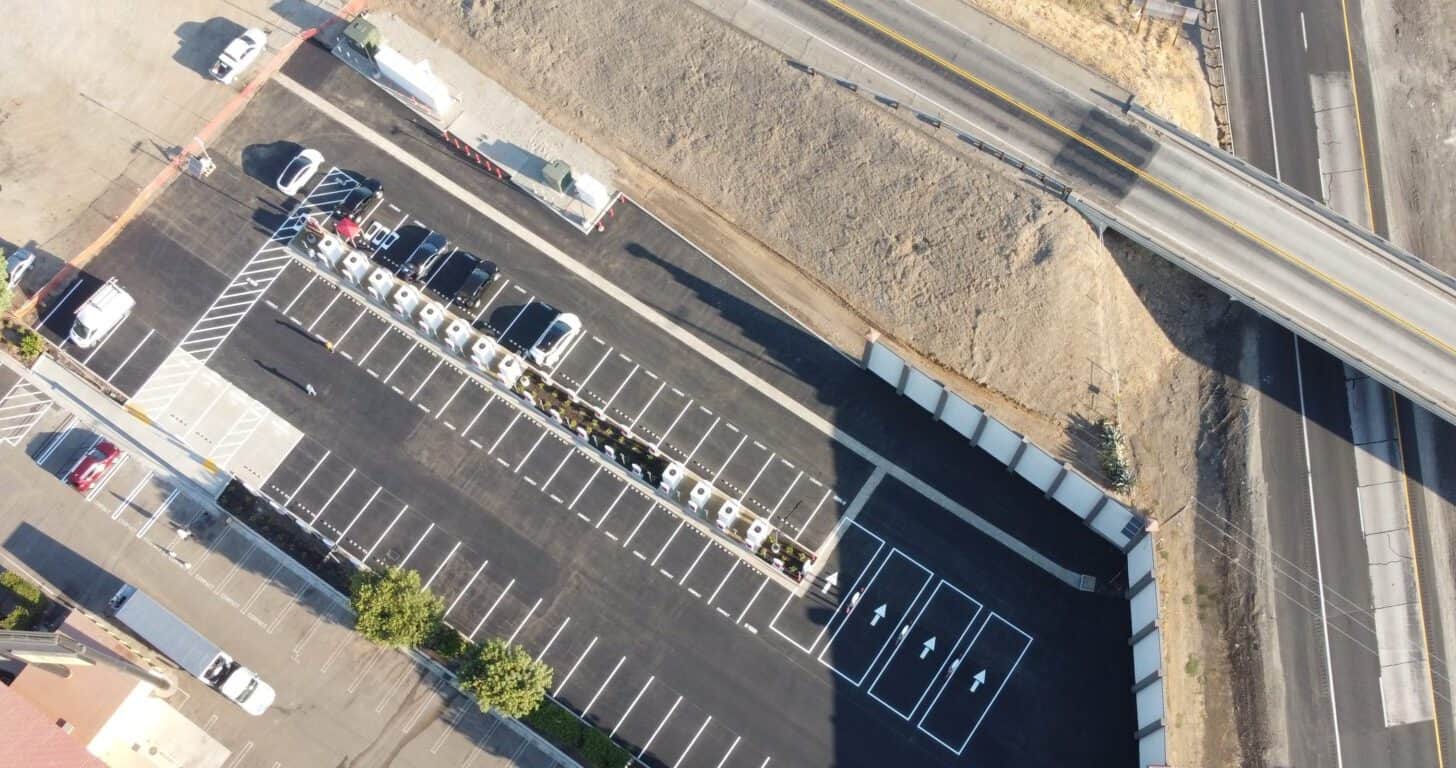
Tesla has opened an eight-stall Supercharger in Cloverdale, California, with a useful trick behind the scenes: it can talk to the utility about how much power is available, helping it open sooner instead of waiting for the grid to catch up.
Tesla Charging confirmed on November 16 that the location is part of Pacific Gas and Electric Company’s Flex Connect program. “Our Cloverdale, CA Supercharger is a PG&E Flex Connect site, talking to the grid over IEEE 2030.5 to open faster,” the company said.
The station is at Penny Faire Plaza, 421 S Cloverdale Boulevard. Tesla lists eight Superchargers, available 24/7, with a maximum rating of up to 500 kW. It also lists access for compatible non-Tesla EVs using a NACS adapter. Your actual charging speed still depends on your vehicle, battery and the power available at the site.
What does that mean in plain English?
Think of the grid like a road that is busy at rush hour but has plenty of room the rest of the day. A new charging station might have enough electricity available most of the time, but not enough to run flat out during the busiest hours.
Normally, that can mean waiting for the utility to upgrade its equipment. Flex Connect lets a station use the capacity that is available now, while accepting lower power limits when the local grid is under pressure.
IEEE 2030.5 is simply the communication standard that lets the utility and charging equipment exchange those instructions. PG&E sends a day-ahead schedule of hourly power limits, and the site’s controls keep its electricity use within them. The station also sends back site-level measurements so PG&E can monitor the load.
Why owners should care
The big benefit is getting another usable charging stop sooner. Eight additional stalls give drivers another place to plug in, with the potential to take pressure off nearby stations and reduce detours. This isn’t a software boost that makes your car charge faster; it’s a way to get more chargers switched on.
There is a trade-off. When the site’s power limit drops, a busy station may have less electricity to share between cars, which could mean slower charging. Tesla hasn’t given Cloverdale’s specific limits or said how often drivers might notice a reduction.
For a lightly used new station, a lower site limit may still cover what the cars actually need. Tesla made that point when it outlined its PG&E rollout in October, saying a typical project could open more than two years sooner. It did not announce a specific time saving for Cloverdale.
Faster construction is only half the job
Tesla has already shown how prefabricated Superchargers can open just four days after delivery when everything is ready. But installing the hardware quickly doesn’t help much if it then sits waiting for power.
PG&E previously identified Santa Nella and Upper Lake as Supercharger locations benefiting from Flex Connect. Cloverdale adds another real-world example of the approach, which is meant to bridge the wait for permanent grid upgrades rather than replace them.
For owners, it’s a practical trade: another place to charge now, with some flexibility in how much power the station can draw. Would you take that over waiting years for a new Supercharger to open?
Image: Tesla
Tesla news, every morning.
Software updates, deliveries, FSD rollouts. Five minutes. Free.