Canada Snubbed Starlink, Now Its Satellites Need SpaceX by 2028
SpaceX has stopped new Falcon 9 bookings beyond 2028, leaving Canada's satellite sector years away from a domestic launch alternative just as Ottawa talks up ditching Starlink.

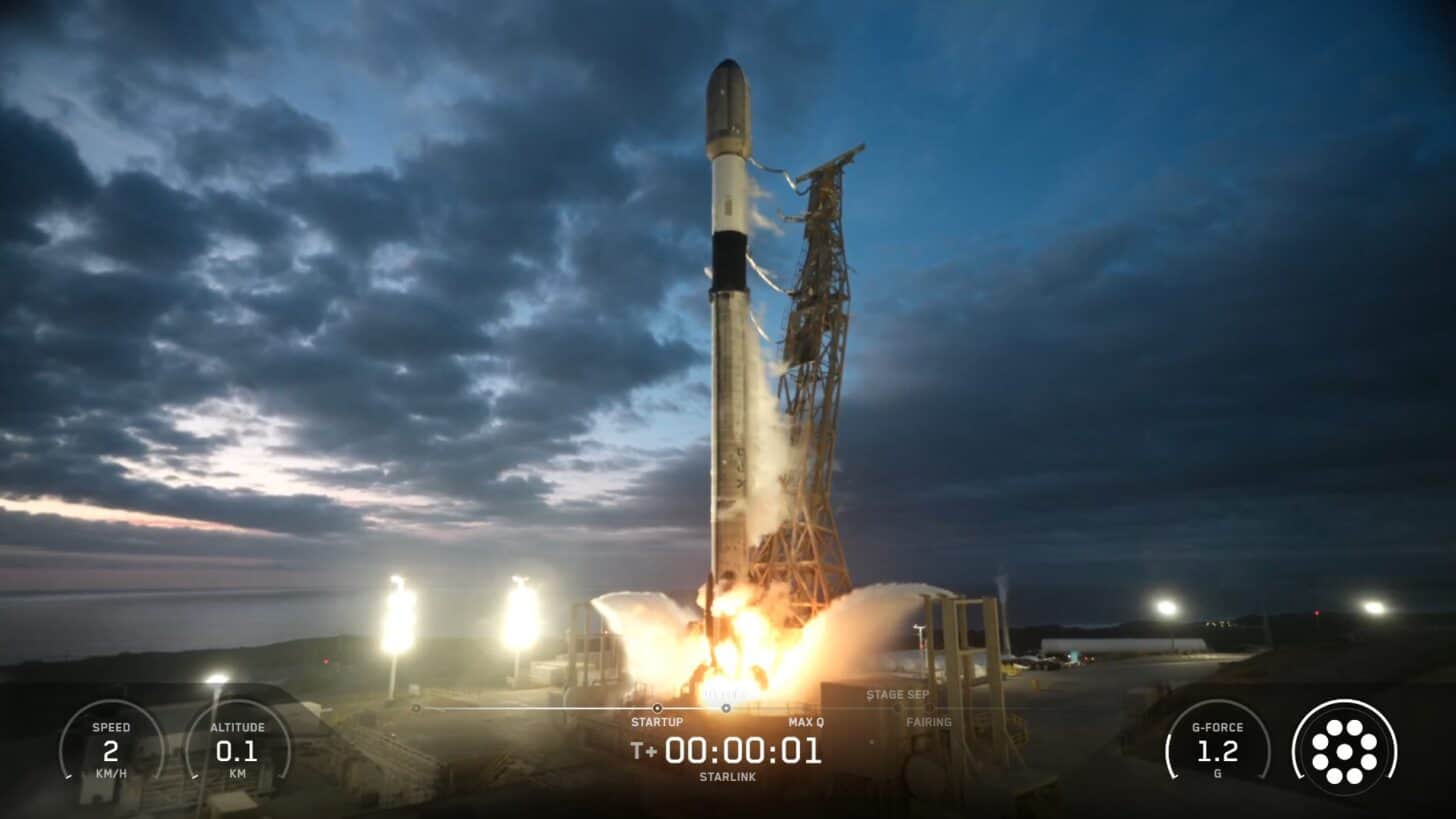
Ottawa has spent months talking about ditching Starlink, but the country’s own satellite makers still can’t get to orbit without SpaceX. That dependence is about to get tighter.
SpaceX has stopped taking new Falcon 9 bookings beyond 2028 as it shifts customers to Starship, and Canada has no medium-lift rocket ready to fill the gap, The Logic reported. The cutoff became a major talking point last week at SpaceBound, the Canadian space industry conference in Gatineau, Quebec.
Telesat is the clearest example. Its Lightspeed constellation, which includes an Arctic military layer tied to a $2.3 billion federal contract, needs 225 satellites in orbit, and those launches are booked on SpaceX before the Falcon phaseout. CEO Dan Goldberg said no Canadian option could realistically handle a constellation that size today.
Cost is the other problem. Goldberg said Lightspeed is competing with Starlink, Amazon and Chinese state players, so Telesat needs a provider that can carry many satellites at once, several times a week, at a competitive price. Launch is expected to eat roughly 20 percent of the program budget, or about US$1 billion.
On the political side, Prime Minister Mark Carney warned again last week that Canada shouldn’t rely on a single foreign provider. At the same conference, US Ambassador Pete Hoekstra said Canada had made a conscious decision to close its market to SpaceX.
Federal money is flowing to a domestic launch industry that has yet to reach orbit. Ottawa is putting about $200 million into the Maritime Launch Services pad near Canso, Nova Scotia, under a 10-year contract, and a separate competition is splitting $25 million among three small-rocket startups. Small rockets can’t replace Falcon 9 for large constellations, though.
Medium-lift hopes rest on companies like Canada Rocket Company, the Etobicoke startup that has raised $22.5 million without an orbital flight. CEO Hugh Kolias said a new rocket typically takes six to eight years and around $1 billion to reach orbit, so the gap won’t close by 2028.
SpaceX, meanwhile, keeps pushing Starship forward, most recently with a full 33-engine booster static fire ahead of Flight 15. Until a Canadian rocket actually flies, the country’s biggest satellite projects stay tied to the company Ottawa keeps saying it wants to move away from.
Should Canada keep pushing sovereign space while its largest constellations still need SpaceX to reach orbit?
Tesla news, every morning.
Software updates, deliveries, FSD rollouts. Five minutes. Free.


[…] North reported that SpaceX has stopped taking new Falcon 9 bookings beyond 2028 as it shifts customers to […]