Credit: Tesla
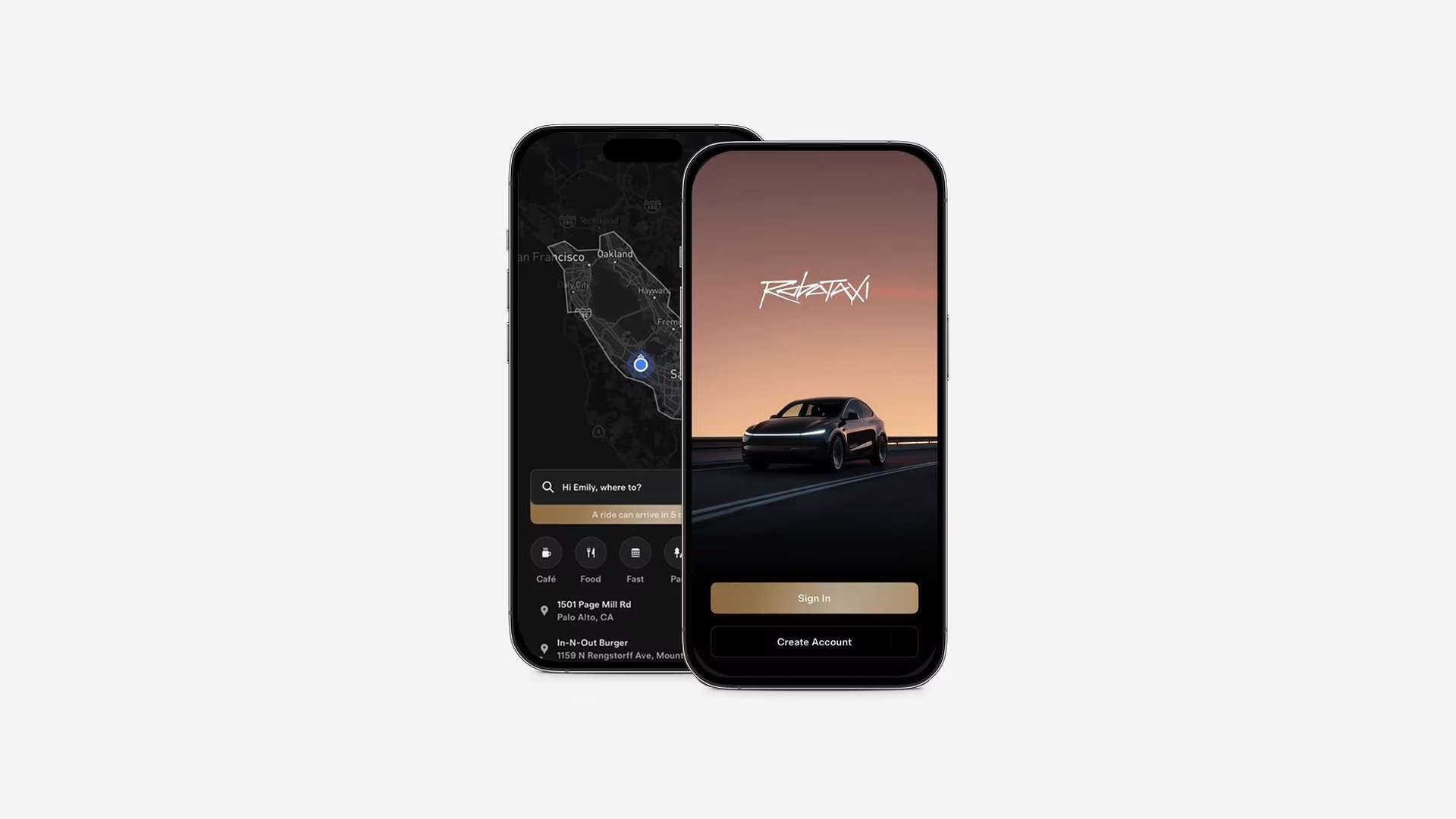
Tesla’s Robotaxi app now has code that would let owners enroll their own cars in the Robotaxi network, according to a teardown of Robotaxi app version 26.10.0 shared by X account @tesla_app_ios. The find lines up with what Tesla told investors on its Q3 2026 earnings call, where the company said the first customer vehicles could join the fleet around the second quarter of next year.
In the teardown, the app can target a specific vehicle by its VIN for enrollment, which means someone with more than one Tesla could pick which cars join. A separate status check tracks each car through stages such as pending review, active, dispatched and unenrolled. The strings don’t reveal how cars would qualify, how revenue would be split or who would carry liability, and none of this is a confirmed feature or launch date yet.
On the October 21 call, Ashok Elluswamy, Tesla’s vice president of AI software, said the remaining step for customer cars is making them part of the geofences and fleet management Tesla already uses for its own driverless vehicles. A per-car robotaxi_enroll endpoint looks like an early piece of that plumbing.
Riders would get several new tools of their own, starting with an augmented reality “Find My Car” mode that uses the phone’s camera, along with ultra-wideband and Bluetooth permissions, to show the direction and distance to your assigned ride. A new incident reporting flow lets passengers describe a problem and the nearest cross street, with drafts that expire after a set window.
Passengers could also control the rear cabin from their phones, including seat recline and folding, rear seat heaters and ventilation, and second-row climate. That fits the passenger-first design Tesla has shown for Cybercab, which we saw earlier this month when a Tesla engineer said rider cameras are coming. Group features include shared trip status and a shared media queue.
Fixed-route shuttles also show up in the code, which references a separate shuttle fleet, predefined stops and a set of Palo Alto shuttle places, plus a line about “Updating Palo Alto campus pins in search history.” That hints a campus shuttle in Palo Alto could come first, though the strings don’t say which routes, if any, are live.
Tesla’s build of this version is dated Monday, October 19, and the company hasn’t commented on any of it. Meanwhile, the service keeps growing in Texas, where Robotaxi now runs until 1 AM in Austin.
Would you add your own Tesla to the Robotaxi network if the revenue split made sense?