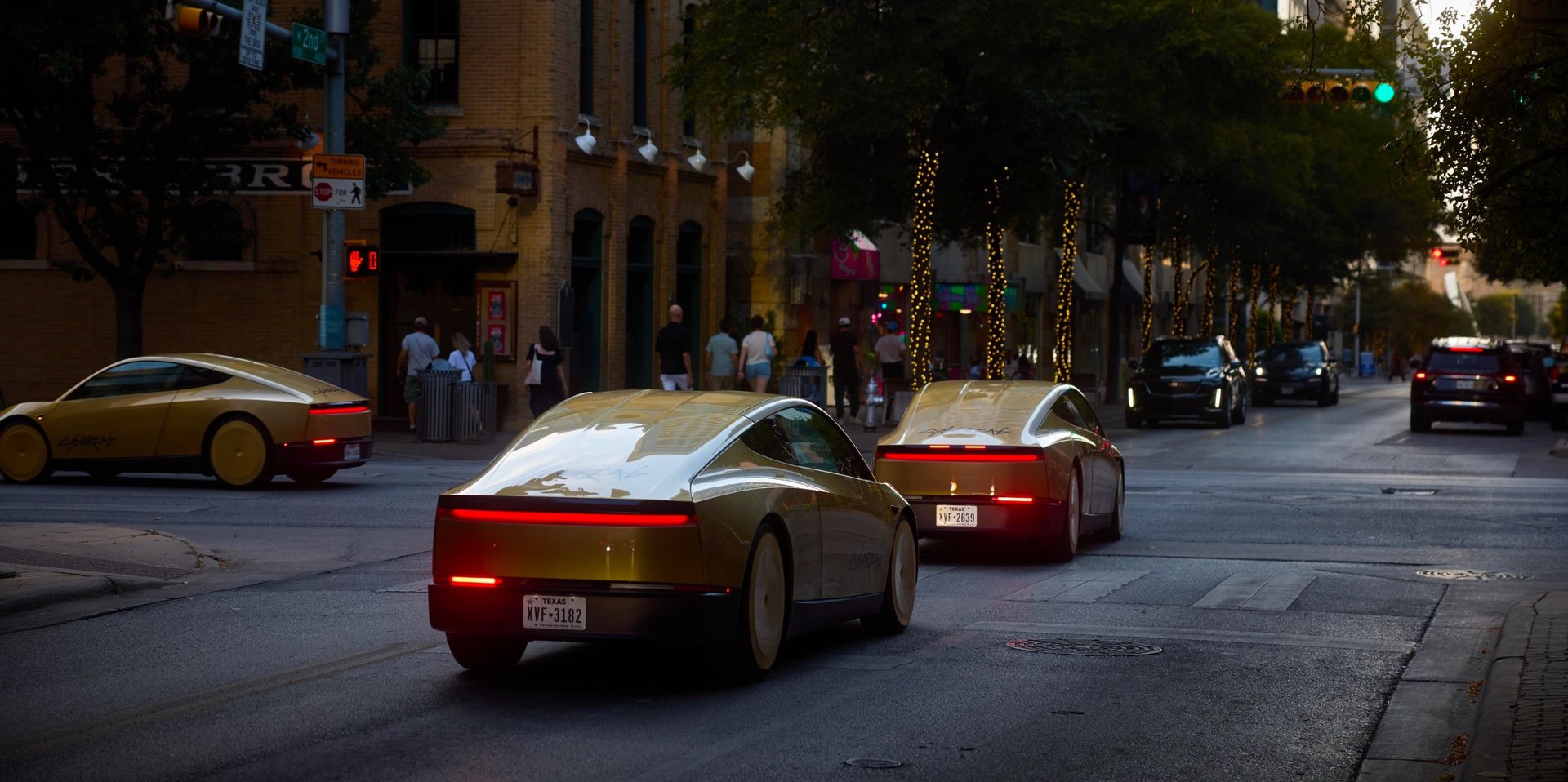
Tesla plans to bring its Cybercab to Dallas next month, making it the first city outside Austin to get the two-seat robotaxi. Ashok Elluswamy, Tesla’s vice president of AI software, shared the timeline on Tesla’s Q3 2026 earnings call on Wednesday, October 21, explaining that Austin went first only because the company wanted to fill the city with Cybercabs. “There’s no fundamental reason that we are limited to Austin. In fact, next month we’ll be launching in Dallas,” Elluswamy said, adding that the same software will then scale “to lots of other cities along with the Model Y robotaxis.”
Dallas riders already have access to Tesla’s driverless Robotaxi service, which launched there in April with Model Y vehicles. The city had logged 608,130 miles with no safety monitor on board as of October 18, according to Tesla’s new Robotaxi Safety Report, second only to Austin.
Chief financial officer Vaibhav Taneja said Cybercab, which he called Tesla’s primary robotaxi product, is available only in Austin today, but the company plans to bring it to “some other cities before the end of this year.” He added that Tesla is still working toward its goal of 30 cents per mile for Robotaxi and sees a path to get there as operations scale.
When a shareholder asked when FSD Unsupervised would reach customer cars, Elluswamy said Cybercab and Model Y run the same software, and Tesla plans to release it to customers as part of its V15 update. The remaining step is making sure owners’ cars can be part of the geofences and fleet management Tesla uses for its own driverless vehicles. “We suspect somewhere around Q2 next year is when we can turn on some of the first customer vehicles to be part of the robotaxi fleet,” he said.
Lars Moravy, Tesla’s vice president of vehicle engineering, said the company is also working on putting Cybercabs in the hands of buyers. “In short, we’re trying to get Cybercabs to customers by the end of this year, 2026,” Moravy said, noting that every Cybercab built on the Texas line so far has gone to Tesla’s own Robotaxi fleet. Elon Musk added that most will stay with Tesla, saying “the vast majority of the Cybercab stuff will be essentially Tesla-owned and transport as a service,” while the Model 3, Model Y and Roadster are the cars people will want to own.
On Optimus, Musk said Tesla may be ready to release a new video of the robot in “a month or two,” and he wants it to show Optimus “doing things that are not pre-programmed” instead of a canned demo. The next milestone after that is putting Tesla’s AI5 chip into Optimus, which he said should happen around April of next year “if things go according to plan.” Musk described AI5 as bringing about an order of magnitude more compute than AI4, which he said matters because a humanoid robot has far more degrees of freedom to manage than a car.
Musk also said “the vast majority of a million unit production line” has landed in Fremont, but he expects it to take “at least a year, maybe a little longer” to reach that annualized rate of about 20,000 units a week. Better hands, longer-lasting hardware, improved AI software and AI5 all need to come together first, and he pointed to about a year from now as the point when Optimus could ship to outside customers, starting with dangerous or repetitive industrial work. Later in the call, he said most of the remaining design work is on the hand and fingers.
Elluswamy also confirmed Tesla is building its own maps for FSD instead of depending on third-party providers, after a shareholder flagged speed limits, parking and typical routes as weak spots. “We shouldn’t be depending on external people’s maps,” he said. Tesla is working on what he called an entirely new architecture with AI-based mapping and navigation that will be integrated with voice, so drivers can ask for different routes, and it will learn each driver’s “personalized preferences” along with those of the wider fleet. Elluswamy said the start and end of trips will use the technology “pretty soon” as part of V15, with the system taking over navigation, parking and destination handling over the following months.
Musk opened the call by saying “demand is growing rapidly for our vehicles” and that “it’s exceeding our production by a significant margin.” He said Tesla has been “laying the groundwork for a lot more manufacturing capacity” and is “aiming for 5 million vehicles a year by approximately 2030,” adding, “I think we’ve got a good shot of achieving that goal.” Moravy later repeated the target, pointing to the Cybercab ramp in Texas, permit applications to expand Giga Berlin and the new Semi factory in Reno.
For a sense of scale, Tesla delivered 486,532 vehicles in the third quarter, which works out to just under 2 million a year. The company reported revenue of US$28.05 billion for the quarter, with FSD included in over 75% of new North American deliveries, as we covered in our Q3 2026 earnings story. Musk also said the Cybercab fleet in Austin has grown by a factor of 10 since rides started on September 3.
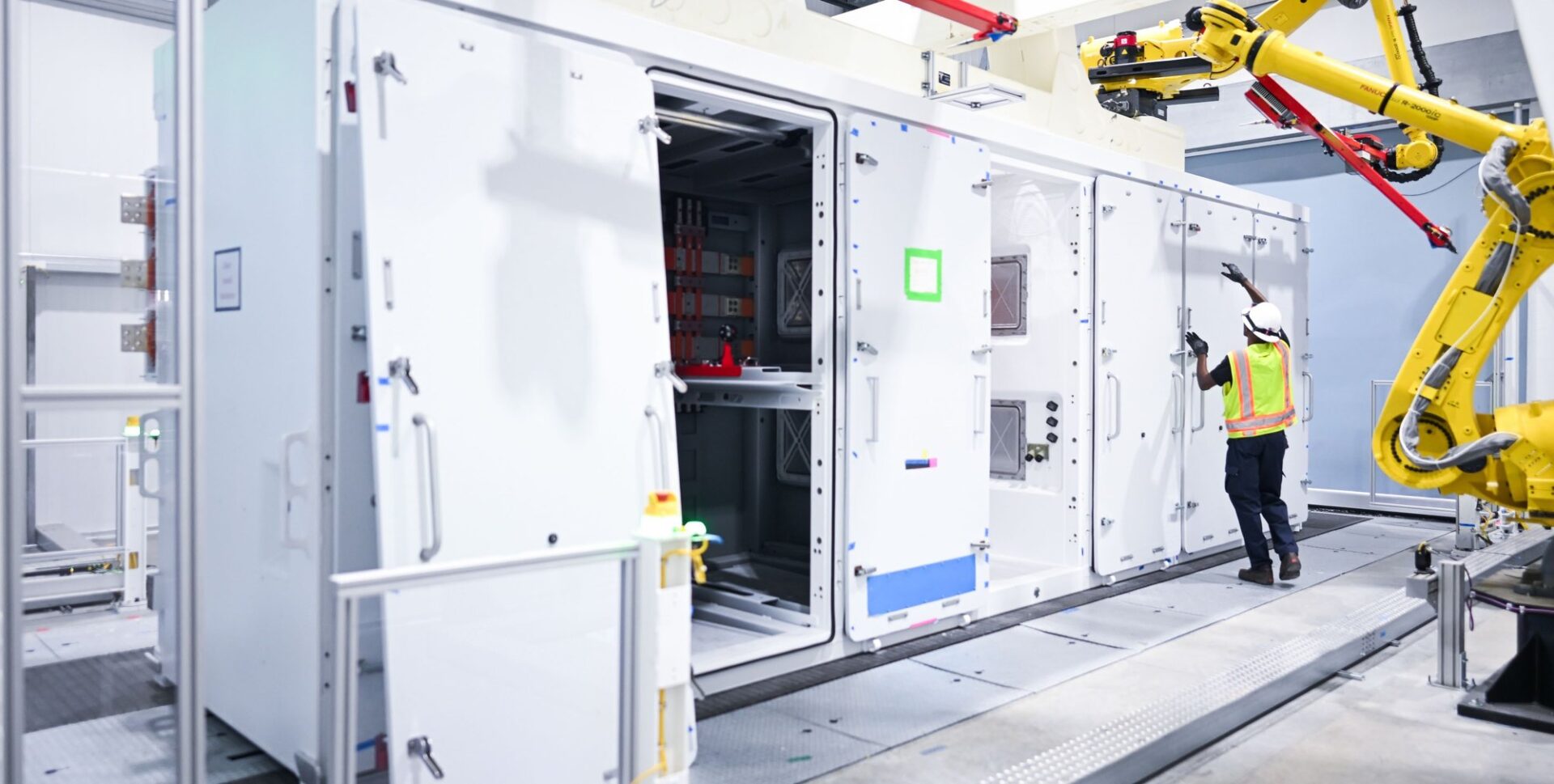
Fremont’s Optimus line has been in the works since January, when Musk said that the Model S and Model X would end production so their floor space could go to a robot line built for one million units a year. Tesla’s Q3 deck says that line has now started turning out what it calls “the first production-quality bots that we have manufactured.” We broke that down in our story on Optimus production starting in Fremont.
Would you add your own Tesla to the Robotaxi network if Tesla turns it on next year?