Tesla reported third quarter 2026 revenue of US$28.05 billion on Wednesday, flat compared to a year ago, with GAAP net income of US$787 million and non-GAAP net income of US$1.70 billion. GAAP earnings per share came in at US$0.22, while non-GAAP EPS was US$0.48, according to the company’s Q3 2026 Update posted to its investor relations site after the market closed.
Automotive gross margin was 18.5% on a GAAP basis, or 18.1% excluding regulatory credits, up from 16.9% and 16.3% in the second quarter. Total GAAP gross margin rose to 19.6%. Income from operations was US$718 million for a 2.6% operating margin, down from US$1.62 billion a year earlier as operating expenses climbed 39% to US$4.78 billion.
Cash generation picked back up after a negative second quarter. Operating cash flow was US$6.26 billion and free cash flow landed at US$1.53 billion after US$4.73 billion in capital expenditures. Cash, cash equivalents and short-term investments reached US$45.45 billion, a US$1.9 billion increase over the quarter.
On the operations side, Tesla delivered 486,532 vehicles and produced 464,391, while deploying 13.7 GWh of energy storage. The company also produced and delivered its 10 millionth vehicle and said it ended the quarter with the largest passenger vehicle backlog in four years, with record deliveries in Canada, Australia, Japan and Taiwan.
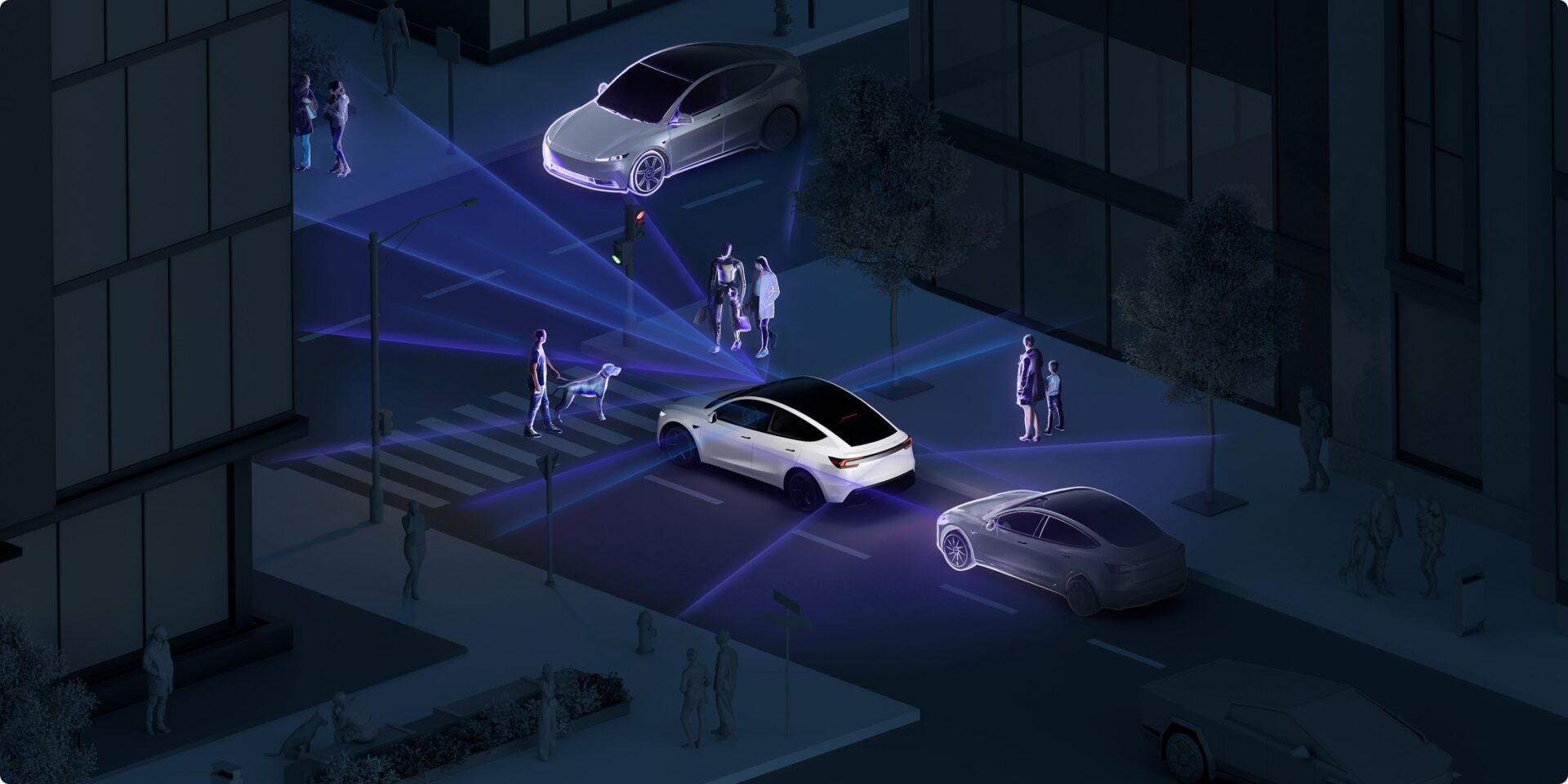
FSD (Supervised) was the standout software story. Tesla said over 75% of new vehicle deliveries in North America included FSD, a nearly 20 percentage point jump from last quarter, and active FSD subscriptions grew 67% year over year to 1.74 million. Croatia, Slovenia, the Czech Republic and Slovakia approved FSD since the end of Q2, bringing it to nine EU countries where more than 100,000 customers have logged over 160 million kilometers.
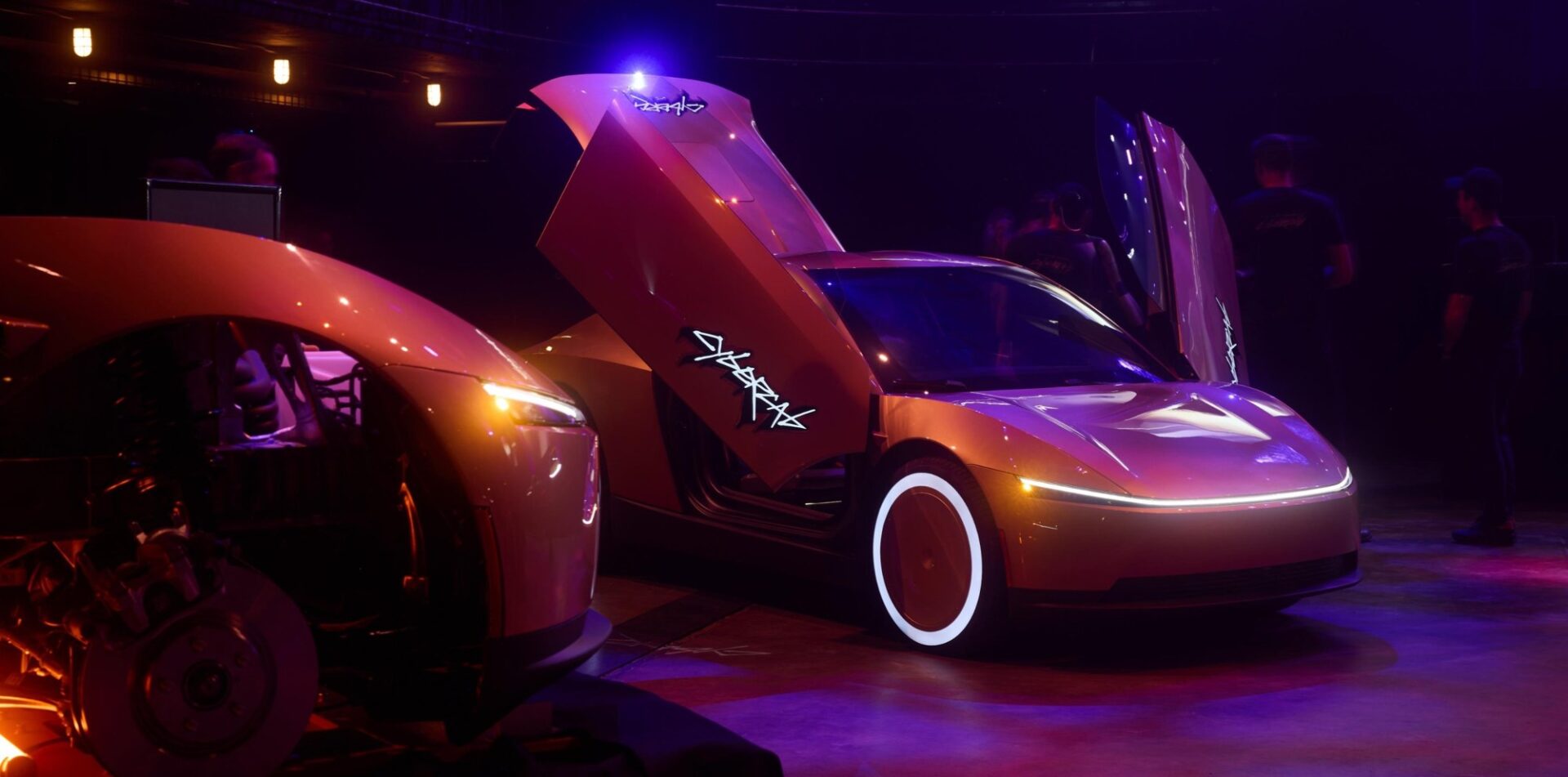
Cybercab started giving Robotaxi rides in Austin on September 3, and Tesla says cumulative unsupervised Robotaxi miles grew eightfold in the quarter to nearly 2 million. Austin service now runs from 6 a.m. to midnight, and Grok is available inside Cybercab with access to Grok Bot and Connectors for managing email, calendars, files and tasks by voice. The deck lists installed Cybercab capacity in Texas at more than 125,000 units a year. We covered the latest safety numbers in our story on Tesla’s new Robotaxi safety report.
Optimus production has started on Tesla’s high-volume lines in Fremont, and the company called these “the first production-quality bots that we have manufactured.” Tesla Semi is now in volume production in Nevada, with the top variant rated for 500 miles at a full 82,000 lbs, and the Next Gen Roadster, unveiled on October 15, is still listed in design development. Tesla also expects to reach 400 MW of training compute by the end of the year, with equipment commissioning at the Austin Fab planned for 2027.
Energy storage revenue fell 16% year over year to US$2.88 billion, though Tesla said it saw its “highest-ever order rate and backlog” for storage. Megafactory Texas began production with a planned capacity of 50 GWh, and the company shipped its first Megapacks built entirely with LFP cells from its Nevada factory. Battery supply remains the main limit on how fast Tesla can ramp vehicle output.
As for the outlook, Tesla again gave no specific volume target, saying it is “focused on maximum capacity utilization” at its factories. It expects hardware profits “to be accompanied by an acceleration of SI, software and fleet-based profits” over time.
In the second quarter, Tesla reported revenue of US$28.24 billion with GAAP EPS of US$0.32 and non-GAAP EPS of US$0.33, but free cash flow went negative at US$1.09 billion as capital spending jumped to US$5.79 billion. This quarter’s profit picture is mixed, with GAAP net income down 29% sequentially while non-GAAP net income rose 47%.
Tesla’s third quarter delivery figure was first shared on October 2, when the company reported over 486,000 deliveries and 13.7 GWh of storage. That was up slightly from 480,126 in Q2 but down 2% from 497,099 a year earlier. Shareholders had already lined up their own questions ahead of the call, which we rounded up in our look at the top investor questions for Q3.
The earnings call starts at 2:30 p.m. PT today, and we’ll update this story with key statements from the call.
What stood out to you most in Tesla’s Q3 numbers?