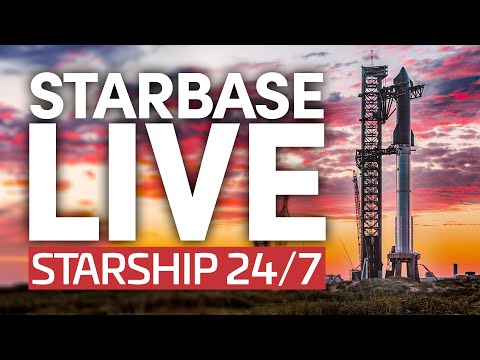
SpaceX is getting closer to attempting something it has never done before with Starship: catching the upper-stage spacecraft with the launch tower.
At Starbase in Texas, SpaceX has been testing its second orbital launch tower this week, using the Mechazilla chopstick arms to lift Flight 15’s Ship 42 into a full catch-style position. The rehearsal has the vehicle hanging without its stabilizer arms engaged, simulating the setup that would be needed to catch Starship in mid-air.
During the tests, crews cycled the chopstick attachment and retraction systems, used the pushers to move Ship 42 from a hypothetical catch position into a lift position, raised it to the top of the Pad 2 tower, and aligned it with the Ship Quick Disconnect arm, connecting and disconnecting the SQD multiple times.
The work is meant to help SpaceX gather alignment data, test structural loads, and check the automated software routines used by Orbital Launch Pad 2. NSF and other trackers have noted this is the first dedicated catch-position testing for a ship on Pad 2.
The timing matters because SpaceX is preparing two upcoming Starship flights in parallel.
Flight 14 is targeting no earlier than mid-to-late September (current tracking windows include Sept. 15 and Sept. 18) with Booster 21 and Ship 41 from Pad 2. The mission is slated to be Starship’s first true orbital attempt and to carry about 20 production Starlink V3 satellites. Recovery is expected via ocean splashdowns rather than tower catches — booster in the Gulf and ship in the Indian Ocean. Elon Musk previously floated a ship catch on this flight, then said in August the first ship catch would more likely come “in a few months.”
Flight 15 is expected later in the fall with Ship 42 and is currently seen as the leading candidate for SpaceX’s first attempt to catch an upper-stage Starship with the Mechazilla arms at Pad 2.
SpaceX has already demonstrated mid-air catches of the Super Heavy booster (on Pad 1), but catching Starship itself is more difficult. The upper stage returns through the atmosphere at orbital speeds, which puts much more pressure on the heat shield and requires extremely precise guidance before the vehicle can descend between the tower arms. Pad 2 has not yet caught a booster or a ship.
If SpaceX can make tower catches work for both stages, it could avoid using landing legs, reduce vehicle weight, and speed up the turnaround between launches. Pad 2 is also part of SpaceX’s broader effort to increase Starbase launch capacity, with two operational towers eventually supporting a much faster Starship flight schedule.
Check out the live video below from NASASpaceflight: