Image: Qualcomm
SpaceX has picked Qualcomm to power the ground network behind Starlink Mobile.
The Starlink carrier plans to start its US nationwide 5G rollout in 2027, with tens of thousands of cell sites covered over a multiyear agreement, according to a Qualcomm press release on Wednesday.
Qualcomm will supply its Dragonwing QRU100 and QDU100 platforms, plus commercial-grade Layer 1 software, for Starlink Mobile’s terrestrial base stations. The setup uses Massive MIMO radio units with 64 transmit and 64 receive paths, which Qualcomm says is designed to improve coverage, capacity and spectral efficiency.
“We shouldn’t live in a time where phone calls are still dropping whether you’re at home or on-the-go,” said Michael Nicolls, Senior Vice President of Starlink. “Starlink is building the first fully-integrated nationwide satellite and terrestrial network that will keep people connected no matter where they are.”
Nicolls added that working with Qualcomm will help SpaceX “accelerate our timeline to develop our base station end-to-end architecture.”
Durga Malladi, Qualcomm’s EVP and GM of Technology Planning, Edge Solutions, and Data Center, said “building a nationwide network demands high performance and power efficiency at every site.” He added the two companies are “advancing 5G today, with an opportunity to lay the foundation for AI-native 6G in the years ahead.”
Starlink confirmed the deal on X, saying its 5G base stations “will leverage @Qualcomm chips to accelerate deployment, starting in 2027.”
Financial terms were not disclosed.
This deal builds on a busy stretch for SpaceX’s wireless plans. EchoStar agreed in September 2025 to sell SpaceX its AWS-4 and H-block spectrum licenses for about $17 billion, and the FCC later approved more AWS-3 spectrum for its next-generation direct-to-cell network.
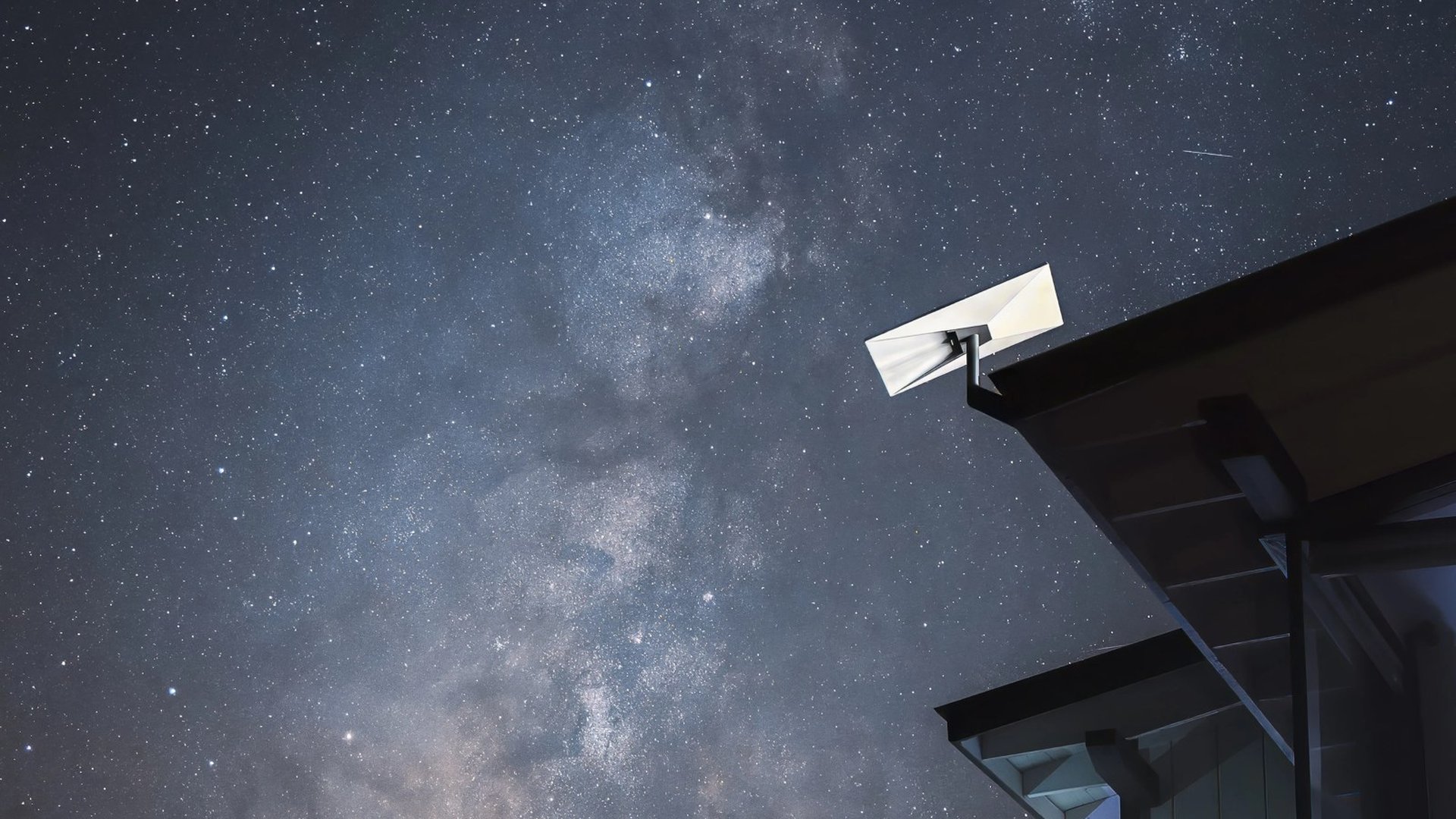
SpaceX is also reportedly in talks over EchoStar’s Boost Mobile, and the company has been fighting T-Mobile at the FCC over satellite-to-phone rules. Today, Starlink direct-to-cell service already works with partner carriers, while home users rely on the Starlink Standard kit for satellite broadband.
Earlier this week, Tesla North reported on Starlink app monthly users jumping 332% in three years, according to Similarweb.
Would you switch your phone plan to Starlink Mobile once its own 5G network goes live?