Image: Elon Musk/X
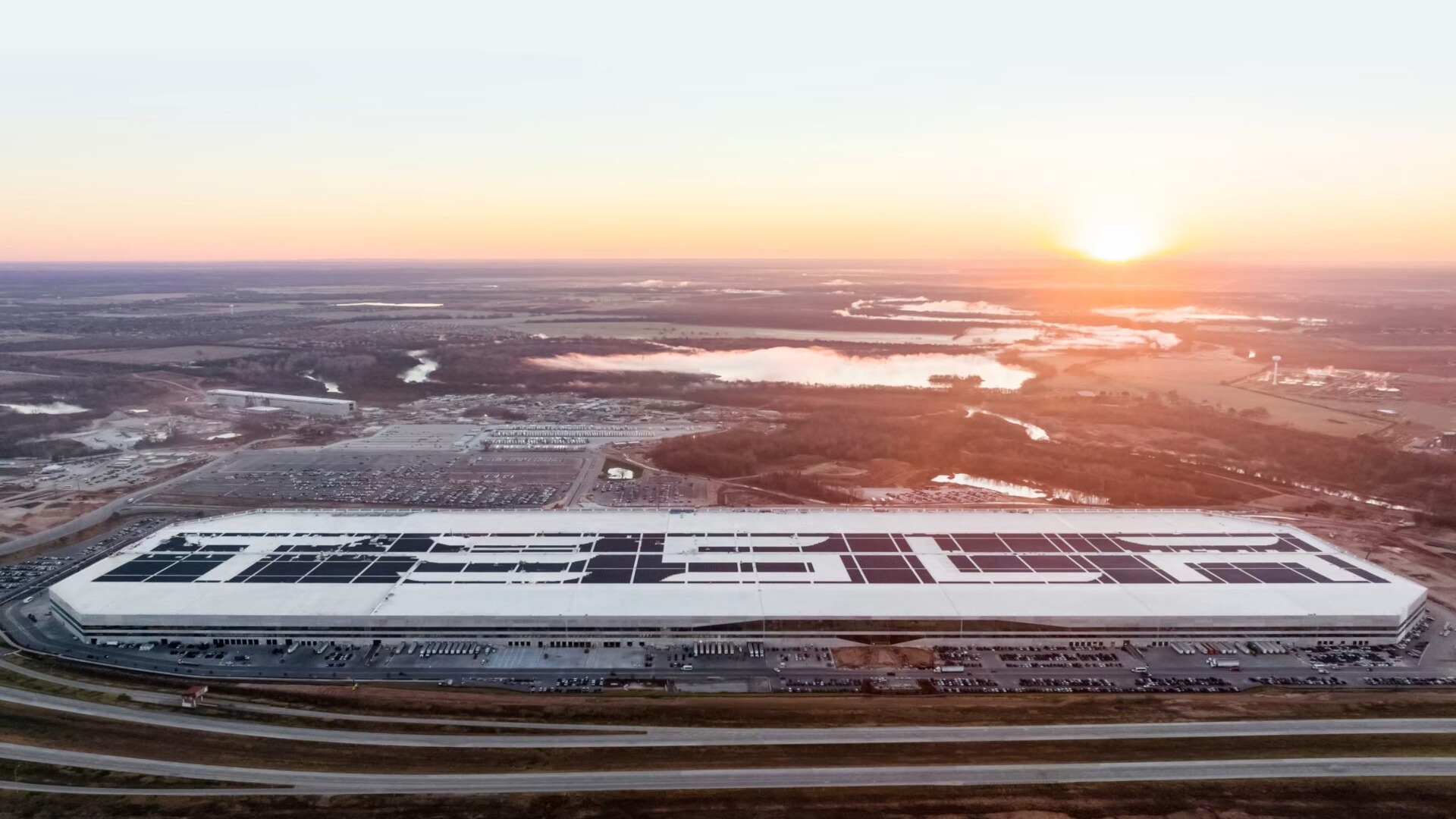
SpaceX is adding two more AI supercomputer clusters at its Colossus 2 site, including one named Spam that will hold about 200,000 Nvidia GB300 chips for inference.
Elon Musk laid out the timelines on Saturday morning in a reply to a walkthrough video posted on X.
Macroharder and Minihard each have 220,000 GB300s with 800-gigabit networking, configured for training, he said. Gun Range will match that setup and is tracking to be operational by the end of November.
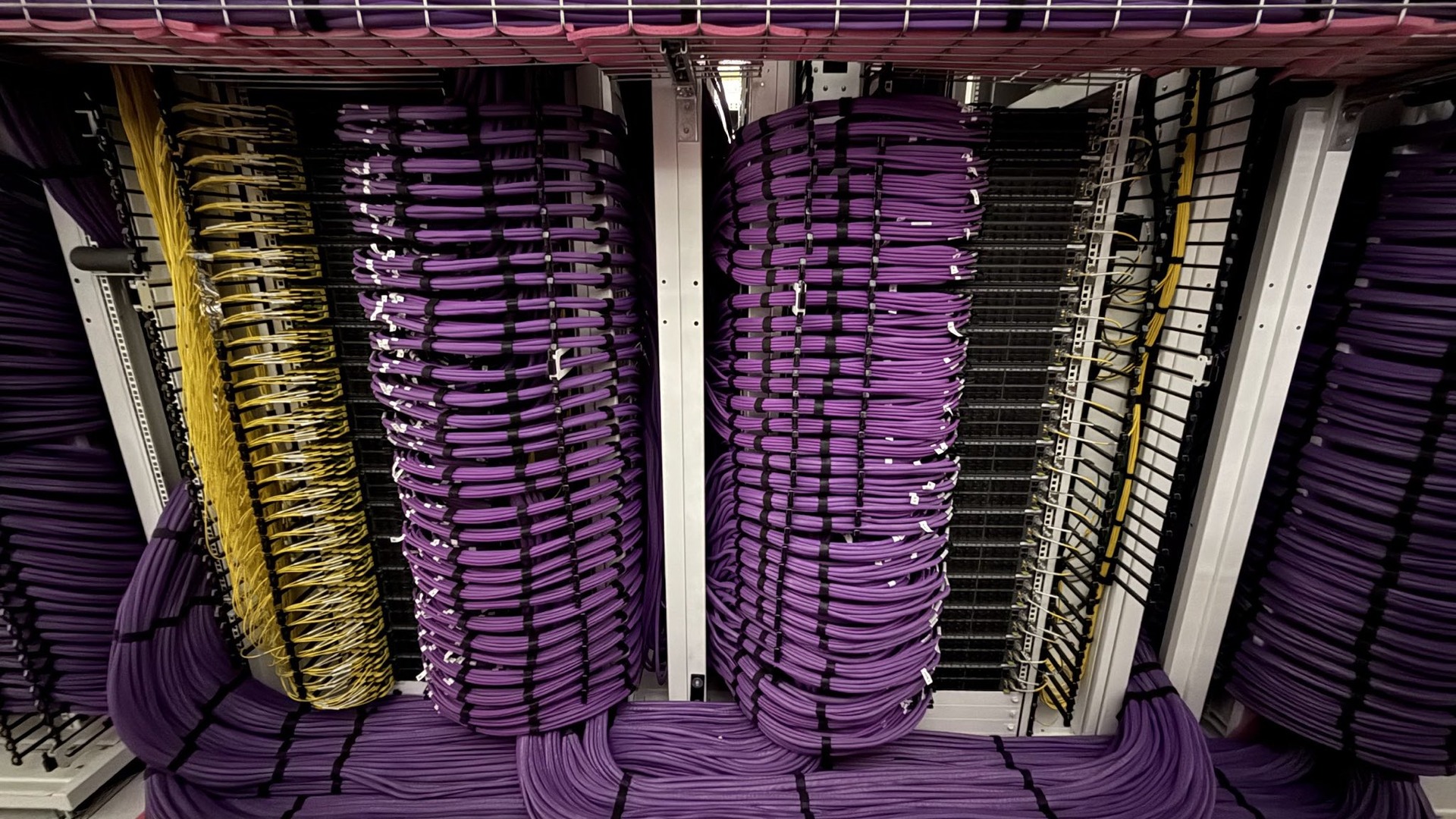
Musk wrote: “Macroharder and Minihard both have 220k GB300s with 800 gig nics configured for training. Gun Range will have the same. Spam (used to house Hormel products) will have ~200k GB300s, but configured for inference, so much simpler networking and less than half the fiber.”
He added: “I walked the whole Colossus 2 site around midnight and again this morning. Good progress by the SpaceX team and contractors. Gun Range is tracking to be operational by end of November and Spam in December.”
All told, Colossus 2 will have “a total of around 1.2M Blackwells” by the end of the year, Musk said in another reply, referring to Nvidia’s Blackwell chip family that includes the GB300.
Musk also had some fun with the new names in follow-up replies on Saturday. Explaining where Gun Range got its name, he wrote: “It was literally the local police department’s gun range that we bought 😂”
On the inference cluster, he added: “I hope Spam doesn’t produce too much spam! 😂”
Training clusters need dense, high-bandwidth fabric between chips. Inference can run with simpler networking, which is why Musk said Spam needs less than half the fiber of the training builds.
The buildout is a two-way bet. SpaceX uses part of Colossus to train its own Grok models and rents capacity to other AI labs, so those customers help pay for the chips and buildings as the company scales. Musk said on SpaceX’s third-quarter earnings call that the rough goal is about a 50/50 split between internal use and rentals, though that mix can shift month to month.
Anthropic’s IPO filing said the Claude maker agreed to spend up to $120.5 billion on SpaceX AI compute through 2029, about $3.1 billion a month once all contracted capacity is delivered, which Anthropic expects in December. Those deals can be canceled with 90 days’ notice after early 2027, so the full total is a ceiling rather than a locked-in bill.
Spam’s inference setup fits the rental and serving side of that plan. Training clusters teach models; inference clusters answer queries at scale, which is what a rented cloud and SpaceX’s own Grok products both need once the models are ready.
In September, Musk mapped a Colossus buildout that could reach about 1.44 million chips by December if later waves landed on schedule. SpaceX has also locked in $40 billion of GPU debt as it races to stand up AI capacity on the ground and, later, in orbit by 2028.
The same companies keep pouring capital into silicon manufacturing. Tesla and SpaceX broke ground on a Texas Terafab chip plant.
Does renting Colossus capacity to rivals like Anthropic make SpaceX’s AI buildout stronger, or should every new cluster stay with Grok?