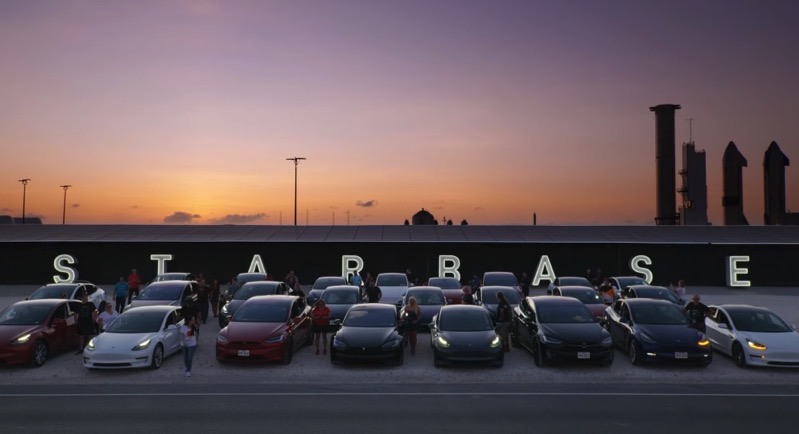
The new city of Starbase, Texas — home to SpaceX’s sprawling launch site — issued a letter to residents on Monday detailing its rapid progress and ambitious goals since incorporation last month.
In a letter dated June 23, 2025, and signed on behalf of the Starbase City Commissioners (most of whom, along with the city’s mayor, are comprised of SpaceX personnel), the city shared its progress just one month after voters overwhelmingly approved incorporation. The update notes that Starbase has already adopted 20 city ordinances, proposed an operating budget, launched a municipal website, and approved over 100 residential and commercial building permits — a blistering pace for any new municipality, let alone one so uniquely tied to the aerospace industry.
Most of the land within Starbase city limits is owned by SpaceX, which remains the primary driver of development. The vast majority of the city’s current residents are also SpaceX employees, reflecting the company’s deep integration into Starbase’s civic and operational structure.
Despite the rapid progress, Starbase has faced growing pains. On June 18, a Starship prototype exploded during a static fire test for the platform’s planned 10th orbital flight at SpaceX’s launch complex in the city, drawing attention and raising safety concerns. According to SpaceX, all personnel were safe and teams are actively investigating the cause while maintaining a safety perimeter around the site.
Still, the tone of the city’s letter remains forward-looking. As the city commission met to discuss a comprehensive zoning ordinance, it emphasized a balanced zoning strategy to ensure that industrial, commercial, and residential areas can coexist — a crucial move for a city where rocket launches and residential life intersect.
To boost morale and foster identity, Starbase City has already named May 29 as “Starbase Day” and approved an official logo. Intending to become fully operational within the first year, Starbase is shaping up to be one of the most unusual and ambitious municipal experiments in modern U.S. history.

