U.S. Lawmakers Near Deal to Ban Chinese Cars: Report
U.S. lawmakers are nearing a deal to block Chinese cars, with Mercedes-Benz a focus of talks as Canada takes a different approach.
U.S. lawmakers are nearing a deal to keep Chinese automakers such as BYD and Geely out of the American market, Bloomberg reports. One issue in the talks is how to write the rules without sweeping in Mercedes-Benz, which is nearly 20% owned by Chinese entities.
Republicans and Democrats from auto-producing states want to send legislation to President Donald Trump by the end of the year, according to people familiar with the talks. Mercedes shows why the wording matters. A rule aimed at Chinese automakers can also reach brands headquartered elsewhere, depending on how lawmakers define Chinese ownership and control.
What the U.S. already restricts
The Commerce Department already restricts certain connected-car technology linked to China and Russia. Its rule covers the systems that connect a car to the outside world, including cellular and Wi-Fi modules, as well as certain automated-driving software. The software restrictions start with model year 2027, with most hardware restrictions starting in model year 2030. The rule can also block a manufacturer with sufficient ties to either country from selling a new connected vehicle in the U.S., even if it was built there.
That’s already affecting what Americans can buy. In June, Polestar said it would stop U.S. sales of new models starting with the 2027 model year after being denied an exemption. The Swedish brand, majority-owned by China’s Geely, said it would keep selling its existing Polestar 3 and Polestar 4. The separate Connected Vehicle Security Act would put restrictions on Chinese-linked vehicles and components into law. The House Select Committee on China said in September that more than 100 House members had signed on.
Why Canada is different
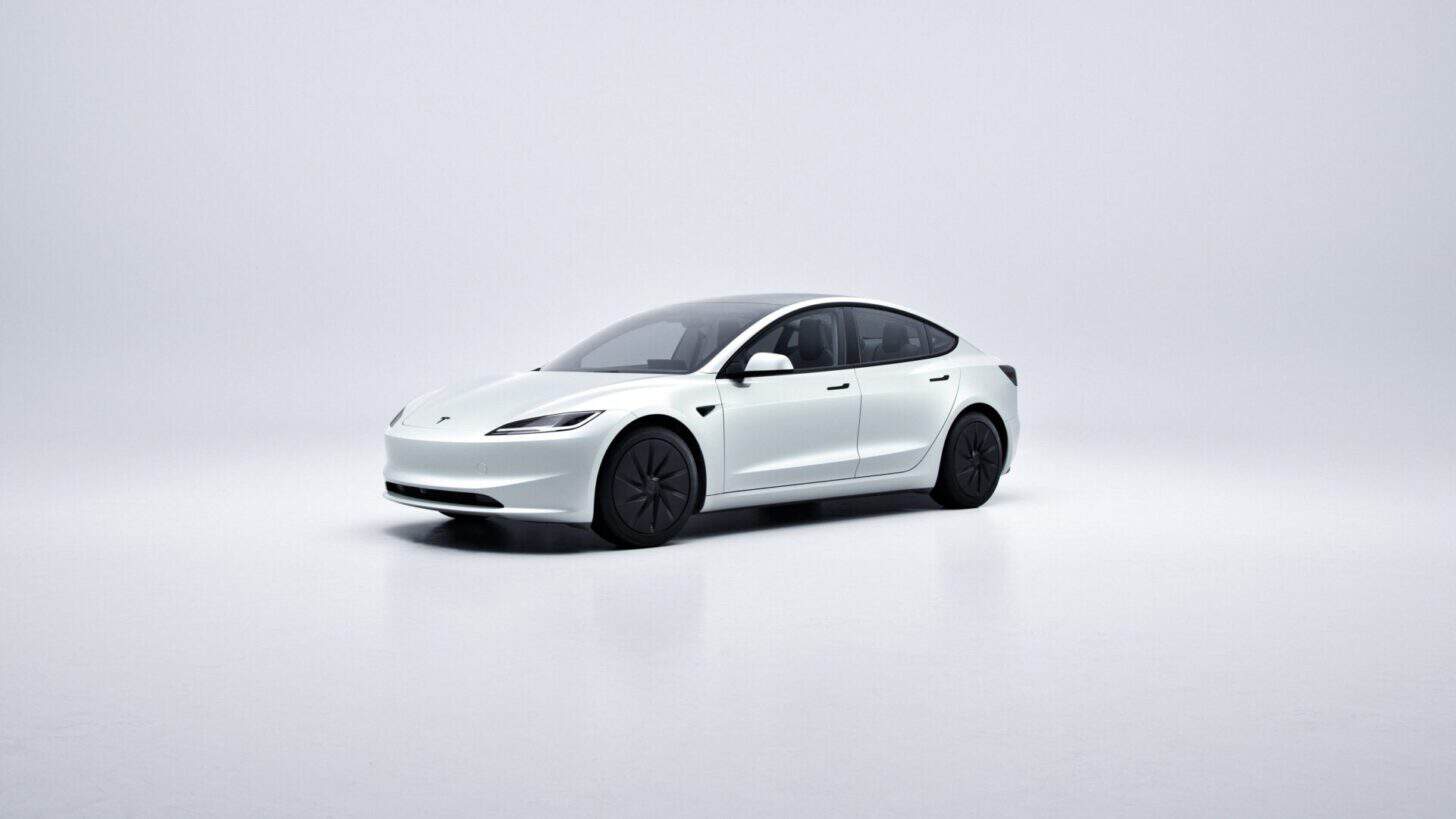
Canada has gone in the other direction. Ottawa’s deal with Beijing allows an initial 49,000 Chinese-built EVs into Canada each year at a 6.1% tariff. Canada’s tariff quota is based on where the vehicle was built, not the nationality of the brand. That means it can include Tesla vehicles from Shanghai as well as Chinese brands. Tesla has already paused Canadian Model 3 Premium orders after saying demand had used up its allocation.
Prime Minister Mark Carney defended Canada’s approach at DealBook this week. In Washington, the details of any exception for automakers like Mercedes are still being negotiated, Bloomberg reports.
Would you rather see the U.S. keep Chinese EV brands out or let them compete under tighter rules?
Tesla news, every morning.
Software updates, deliveries, FSD rollouts. Five minutes. Free.