Starlink’s Plan to Reach Your Phone Indoors Starts on the Roof
SpaceX is designing rooftop microcells to fill Starlink mobile coverage gaps indoors. Musk estimates 2027 production, without a service launch date.

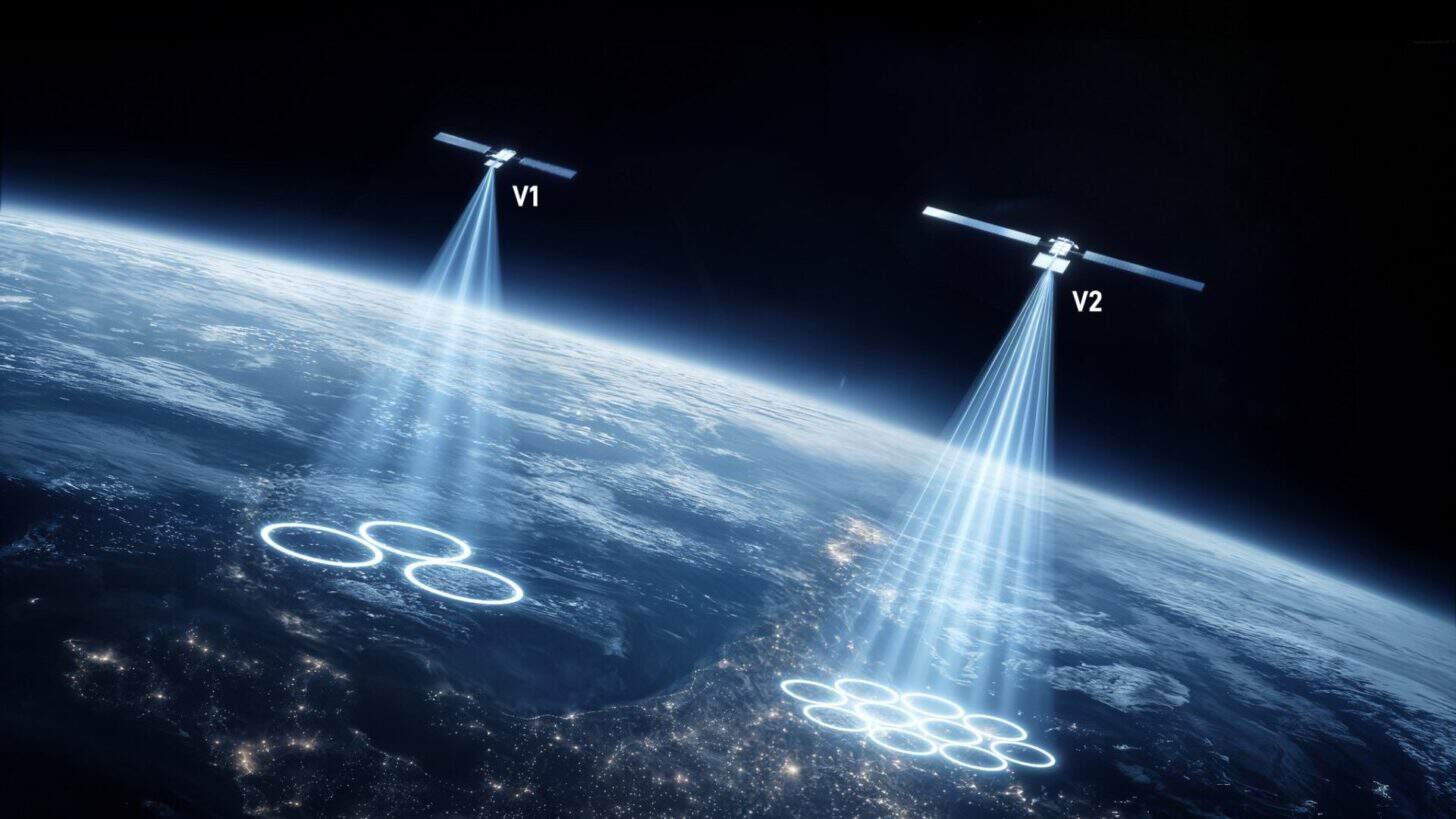
SpaceX is designing small rooftop cellular stations to help Starlink reach phones where satellite signals struggle, including inside buildings, according to Elon Musk.
Speaking at the New York Times DealBook Summit on November 18, Musk said the planned microcells would use 800 MHz spectrum to fill coverage gaps. He thinks the hardware could enter production in 2027, but did not announce a consumer launch date, pricing or Canadian availability.
The problem is straightforward. Connecting a phone directly to a satellite can work outside, but a metal roof or thick building structure can block the signal. Musk described a network that combines satellites overhead with small ground-based cells, rather than expecting satellites alone to reach every room.
Those microcells could sit on rooftops and might be bundled with Starlink terminals. In denser areas, the idea is to add local cellular coverage without relying only on the large towers used by traditional mobile networks. Musk presented that as a design being developed, not equipment customers can order today.
More Capacity Above, Better Coverage Below
Musk also said SpaceX expects to launch its second-generation direct-to-cell satellites in 2027. He described a major increase in bandwidth over the current generation, while qualifying the exact size of that improvement. The aim is to serve ordinary phones without requiring extra hardware attached to the handset.
The rooftop equipment would address a different limitation. More satellite capacity helps with how much data the network can carry, while nearby terrestrial cells could help get a usable connection through buildings. Neither statement means every existing phone or location will automatically have service.
The plan adds detail to Musk’s earlier comments about Starlink’s mobile ambitions, including agreements intended to expand its spectrum portfolio. Satellites and local cells would play complementary roles, with the latter tackling places a signal from space cannot easily reach.
Asked about the future of mobile carriers, Musk did not predict they would disappear. Instead, he argued that AI and robotics would increase demand for connectivity. He did not announce an acquisition of a carrier during this part of the DealBook interview, which begins discussing mobile service around 33 minutes.
Would indoor coverage make satellite-backed mobile service more useful to you?
Image: SpaceX Starlink satellites, file image. The proposed rooftop microcells are not pictured.
Tesla news, every morning.
Software updates, deliveries, FSD rollouts. Five minutes. Free.