Terafab Turns to Japanese Suppliers for Chip Equipment, Report Says
Terafab is reportedly lining up Japanese chip equipment suppliers, with long-term plans weighted toward memory chips and ambitious delivery deadlines.

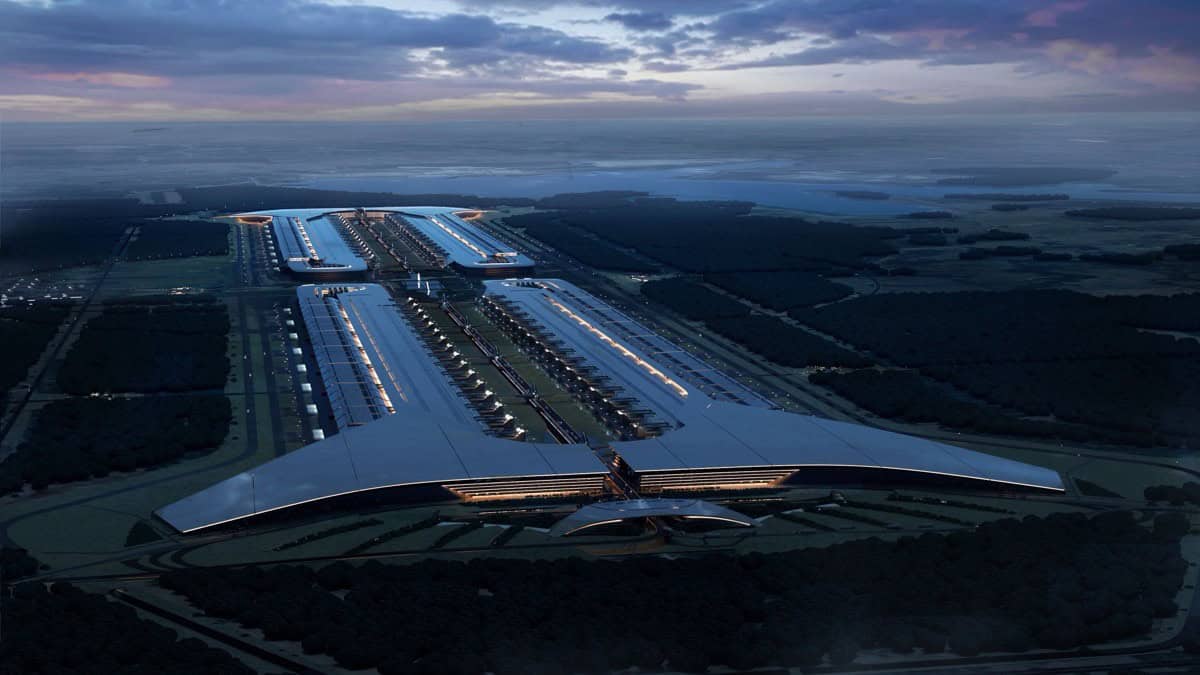
Elon Musk’s Terafab project is turning to Japanese chipmaking equipment suppliers, with a newly reported production plan that would devote most of its long-term wafer capacity to memory chips.
The outreach broadens a supply chain Tesla and SpaceX have already been assembling. The companies previously held talks with about 10 Korean suppliers, including equipment for the project’s research line. The companies also broke ground in Grimes County, Texas, in August, announcing a $16.8 billion first phase.
Procurement managers visited Japan in early November to discuss equipment deliveries and production schedules, according to ChosunBiz‘s account of Nikkei‘s reporting. Some suppliers were reportedly asked to deliver equipment within a few months, an unusually tight window for a project of this scale.
The new detail is how Terafab’s proposed output would be divided. The plan described to suppliers reportedly calls for about 700,000 memory-chip wafers and more than 300,000 logic-chip wafers per month after 2032. Memory stores data, while logic chips perform computing tasks. Those figures describe a long-term target, not installed capacity or chips already coming off a production line.
The million-wafer monthly ambition was previously reported. The Japanese procurement effort and memory-heavy split add more detail to that goal, rather than marking a new production milestone.
Nikkei says the procurement push is raising concerns among Japanese suppliers. Seoul Economic Daily, also citing Nikkei, reports a target of starting mass production in the second half of 2028, while noting that advanced fabs typically take more than three years to move from planning to production.
Terafab is intended to bring manufacturing, packaging and testing together for chips supporting Tesla’s robots and vehicles, alongside SpaceX’s planned space-based data centers. Securing tools is an important part of that build-out, but the reports do not establish that the proposed capacity or timetable is achievable. The reports do not include official confirmation from Tesla or SpaceX of the newly described supplier schedule and capacity split.
Can Tesla and SpaceX keep Terafab’s equipment deliveries on track, or will the chip industry’s usual timelines prove harder to compress?
Tesla news, every morning.
Software updates, deliveries, FSD rollouts. Five minutes. Free.