SpaceX Says Grok Spots Hardware Debris With 99.9% Accuracy
A closer look at AI-assisted inspection, SpaceX’s comparison with human reviewers and the challenge of keeping flight hardware free of debris.

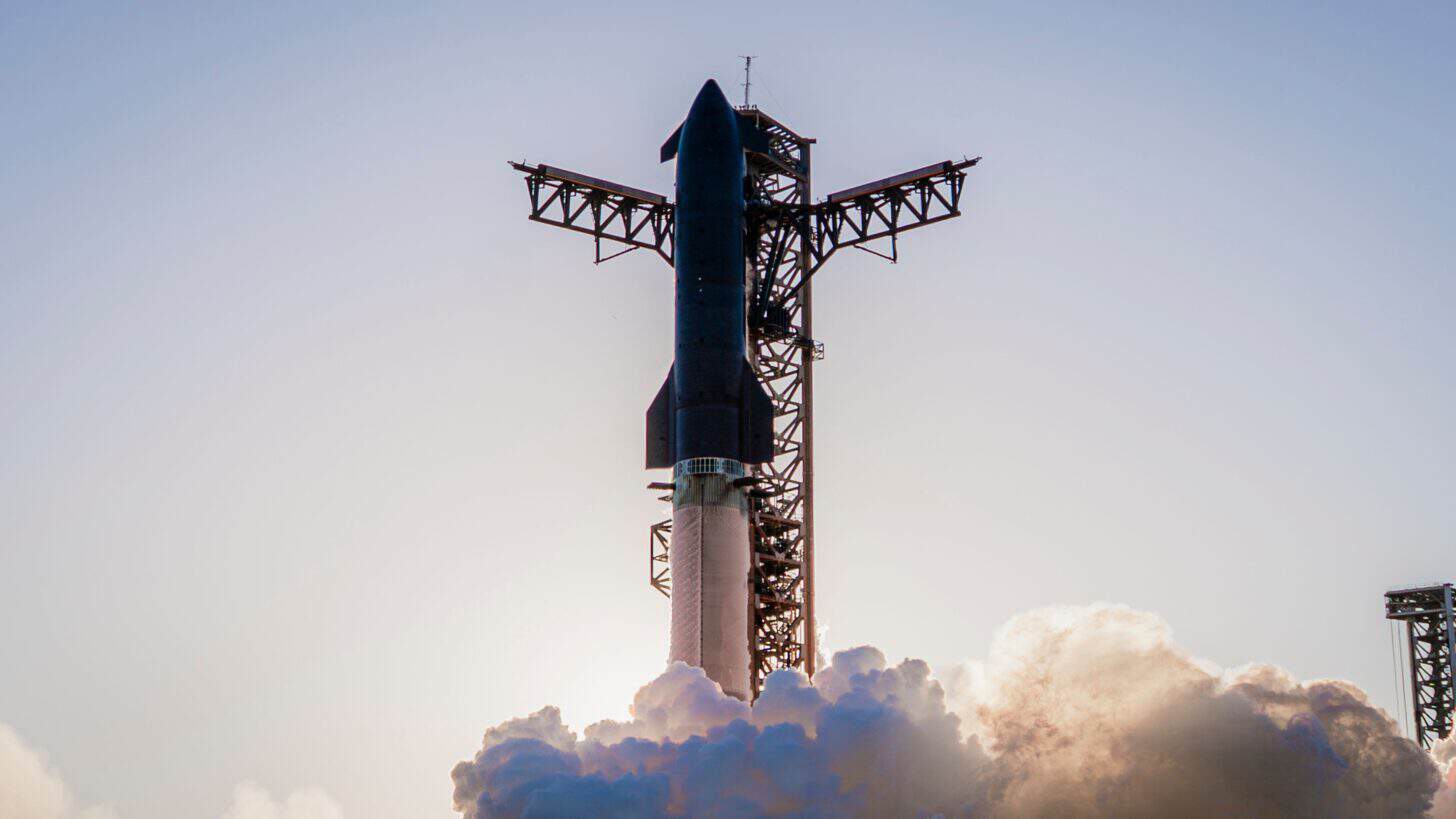
SpaceX says Grok is helping inspect its hardware for foreign-object debris, with launch chief Kiko Dontchev claiming 99.9% accuracy compared with roughly 94% for people reviewing the same footage.
The example involved an inspector using a borescope inside a tube, with Grok analyzing the video. Dontchev discussed the work at last week’s UP.Summit in Florida, according to Eric Berger’s reporting for Ars Technica.
Why Spotting Debris Matters
Foreign-object debris can be as ordinary as a metal shaving, wire clipping or misplaced fastener. NASA’s Marshall Space Flight Center lists those examples in its debris-prevention standard because material left where it does not belong can damage hardware.
SpaceX has dealt with this problem before. During preparations for the Crew-1 launch in November 2020, a small pressure drop prompted crews to reopen Dragon’s hatch. NASA reported debris in the seal; a subsequent leak check passed and the countdown remained on track.
That history helps explain the appeal of tools that assist with inspection. Evaluating an AI system would still require understanding both the debris it misses and the false alarms it produces, across representative footage and hardware.
The work also fits the closer connection between SpaceX and AI following its acquisition of xAI. SpaceX’s third-quarter results included $7.6 billion in Super Intelligence revenue, alongside $5.2 billion from connectivity and $1.8 billion from its Space segment.
NASA documents both the debris-prevention principles and the Crew-1 hatch check. Berger’s report describes the latest Grok example.
Could hardware inspection become one of AI’s most useful industrial applications?
Tesla news, every morning.
Software updates, deliveries, FSD rollouts. Five minutes. Free.