Viasat’s US Broadband Base Falls to 100,000 Subscribers
Viasat ended September with about 100,000 US fixed broadband subscribers, down roughly 13% from June, as it turns to ViaSat-3 Flight 2 to stabilize the business.

Viasat ended September with approximately 100,000 US fixed broadband subscribers, down from about 115,000 three months earlier, as the satellite internet provider tries to stabilize its residential business in a market that includes Starlink.
The figures in Viasat’s November 5 shareholder letter cover its fiscal 2027 second quarter, which ended September 30, 2026. The rounded subscriber totals imply a loss of about 15,000 accounts, or roughly 13%, from the previous quarter. Average revenue per user held at $111.
Viasat’s broader Fixed Services & Other category recorded a 23% year-over-year drop in service revenue. That category is not simply the US residential broadband business. Across the entire Communication Services segment, revenue fell 3% to $815 million, with growth in aviation and government satellite communications partly offsetting weakness in fixed services and maritime.
On the earnings call, chief financial officer Gary Chase described the summer as a seasonally high-churn period for US fixed broadband while Viasat awaited ViaSat-3 Flight 2. He said residential service on the new satellite launched in early October, and the company has begun targeted initiatives intended to stabilize the business over the next few quarters.
The competitive backdrop is tangible. Ookla’s US satellite internet analysis showed Starlink’s median download speeds reaching at least 100 Mbps in every state except Alaska in the second half of 2025. Its low-Earth-orbit network also offers much lower latency than traditional geostationary services, a practical difference for video calls and gaming.
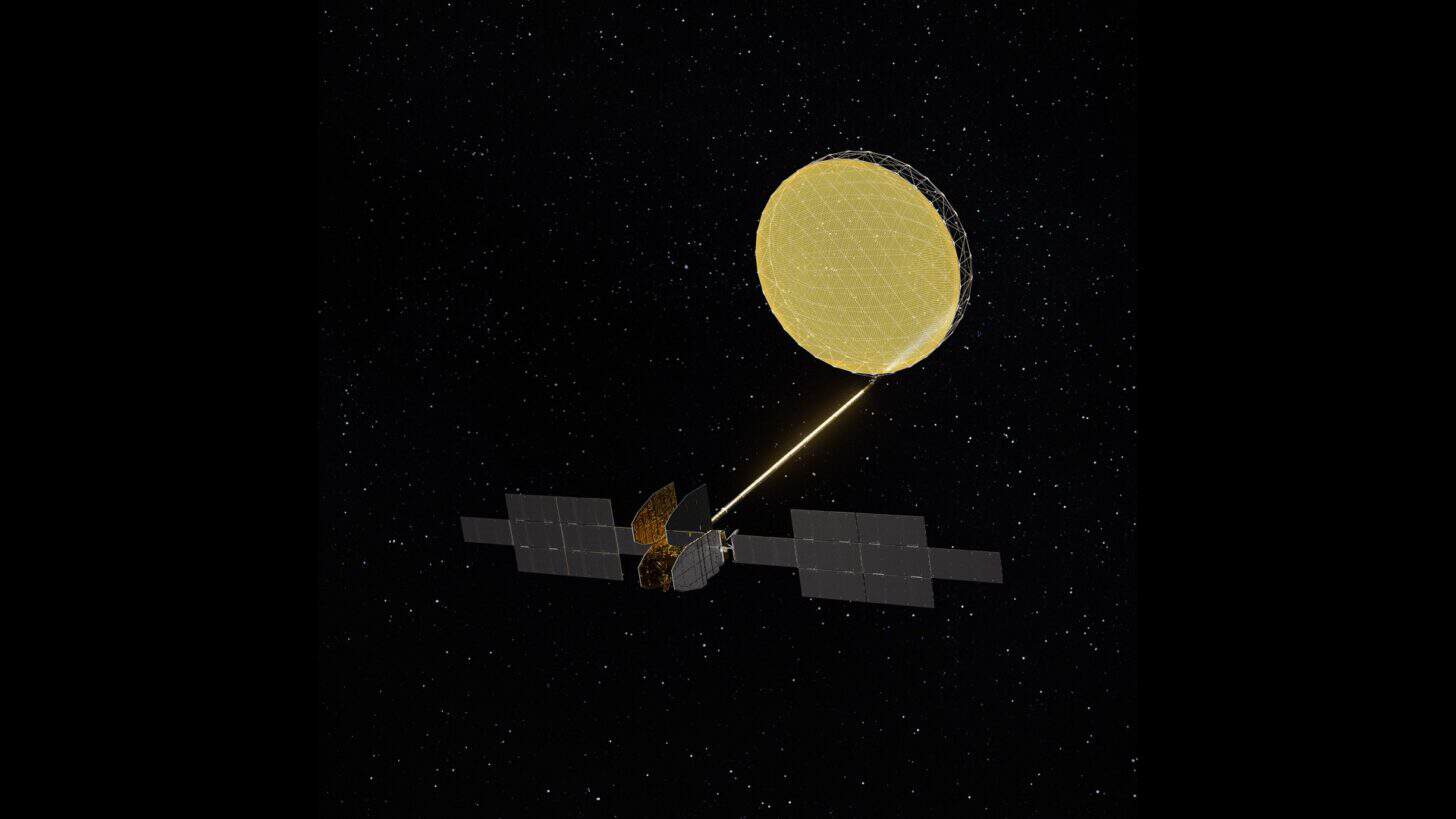
Viasat’s response centers on more capacity and a better customer experience. ViaSat-3 Flight 2 serves the Americas and is designed for more than one terabit per second of throughput. Management’s immediate goal is to slow the subscriber losses and improve cash generation, rather than promise a quick return to residential growth.
Tesla news, every morning.
Software updates, deliveries, FSD rollouts. Five minutes. Free.