Carney Says Canada Won’t Tie Defenses to a Billionaire’s Satellites
Prime Minister Mark Carney told Politico Canada will not hook its defenses to a satellite system one billionaire can turn off, and said Ottawa's LEO constellation should operate in 2028.

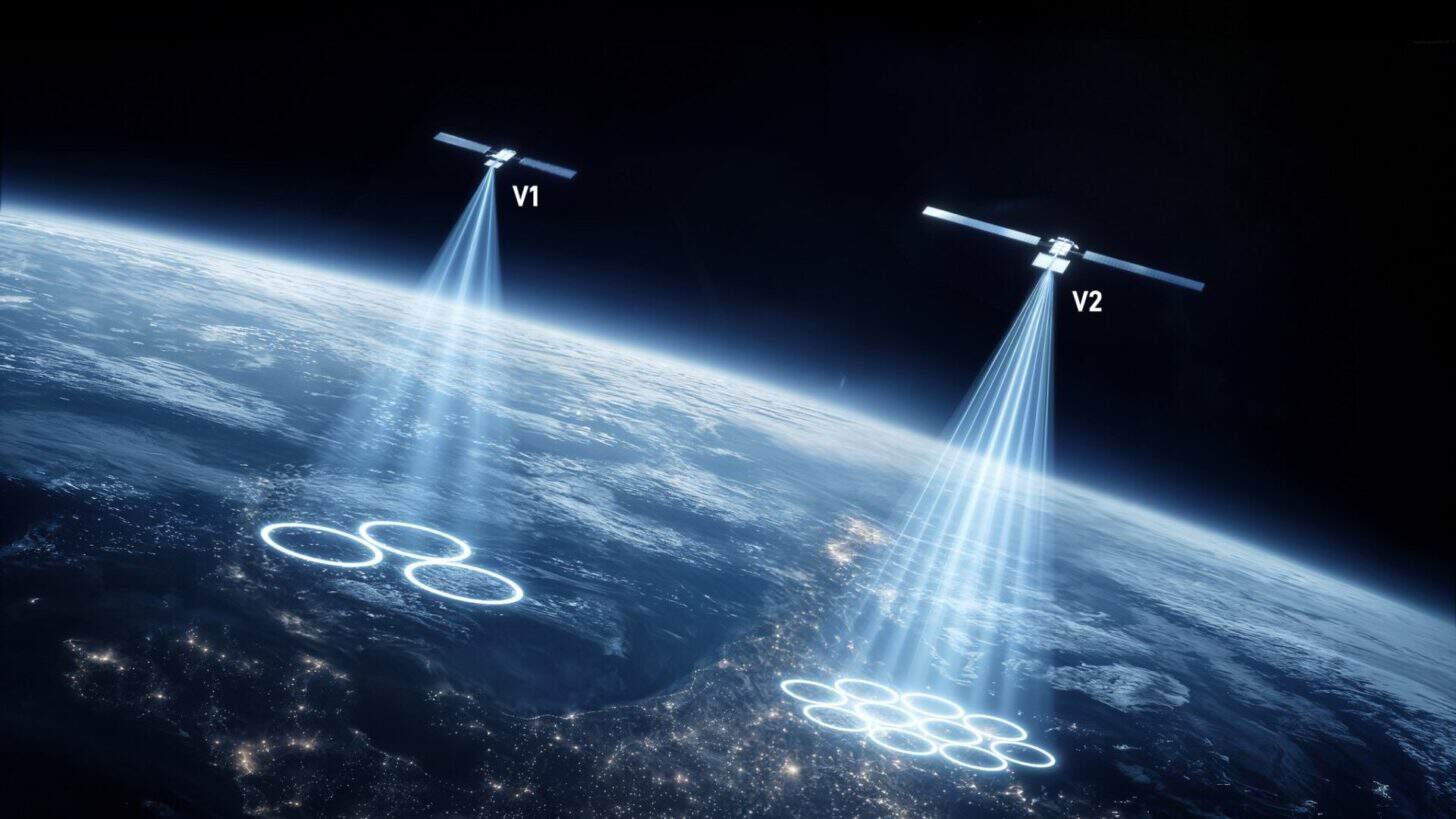
Prime Minister Mark Carney says Canada will not hook its defenses to a satellite network one billionaire can switch off, and he told Politico that Ottawa’s own low Earth orbit constellation should be operating in 2028. The interview was recorded in Montreal on Thursday, October 30, after Carney hosted European leaders for a Canada-EU summit.
Carney framed space links as a single-point risk alongside cyber defenses, critical minerals, energy, and food security. “Well, if you’re connected to a satellite system that a billionaire, almost trillionaire, decides to turn off at one moment or not, that’s not a good idea either; so having the redundancy,” he said.
He then drew a hard line on Canada’s own posture. “Now we are not, we have not hooked our dependencies to that system, our defenses to that system nor would we given the track record,” Carney told Politico.
Carney did not name Starlink or Elon Musk in those answers. When a Politico interviewer said he had alluded to what Musk did with Starlink and Starshield in Ukraine, Carney replied, “Yeah.” The clear reference is to SpaceX’s satellite internet, which already serves Canadians and has been central to Ukraine’s battlefield communications.
Asked how long it would take Europe and Canada to replace that kind of capability, Carney pointed to Canada’s schedule and Europe’s IRIS² effort. “It takes, look, what our Leo constellation will be operable in 2028. Europe’s a few years later, I’ll say roughly. We can help bridge to Europe’s constellation and/or we can help scale and pool those two constellations,” he said.
Neither Musk nor SpaceX has publicly responded to Carney’s Thursday comments. Musk has previously said Starshield systems are owned and controlled by the US government, and that any speed or usage limits are set by the US military and ultimately the president, not SpaceX.
The Montreal remarks continue a line Carney has pressed for weeks. In September he said Canada would diversify away from Starlink, and on October 23 in Istanbul he said a Ukraine satellite slowdown had real human costs. Ottawa is also watching Canadian alternatives, including the TerreStar Equatys LEO push and a 2028 launch crunch that still leans on Falcon 9 capacity.
Should Canada keep racing for its own LEO network, or keep Starlink in the mix as a commercial backup?
Tesla news, every morning.
Software updates, deliveries, FSD rollouts. Five minutes. Free.


[…] a Politico (via Tesla North) interview recorded in Montreal on October 30 after the Canada-EU summit, Carney argued that more […]