Tesla’s Q3 2026 Update, posted after the market closed on Wednesday, October 21, includes new details on Megafactory Texas, the Austin Fab, the Roadster, Tesla Semi, Canada and Supercharger for Business that go beyond the headline earnings numbers.
We covered revenue, profit and FSD in our Tesla Q3 2026 earnings recap, and the two biggest items from the deck got their own stories: Optimus production starting in Fremont and the US$142 million drop in Tesla’s SpaceX stake. Here are six more things in Tesla’s Q3 2026 Update worth knowing about.
1. Megafactory Texas Adds 50 GWh of Megapack Capacity
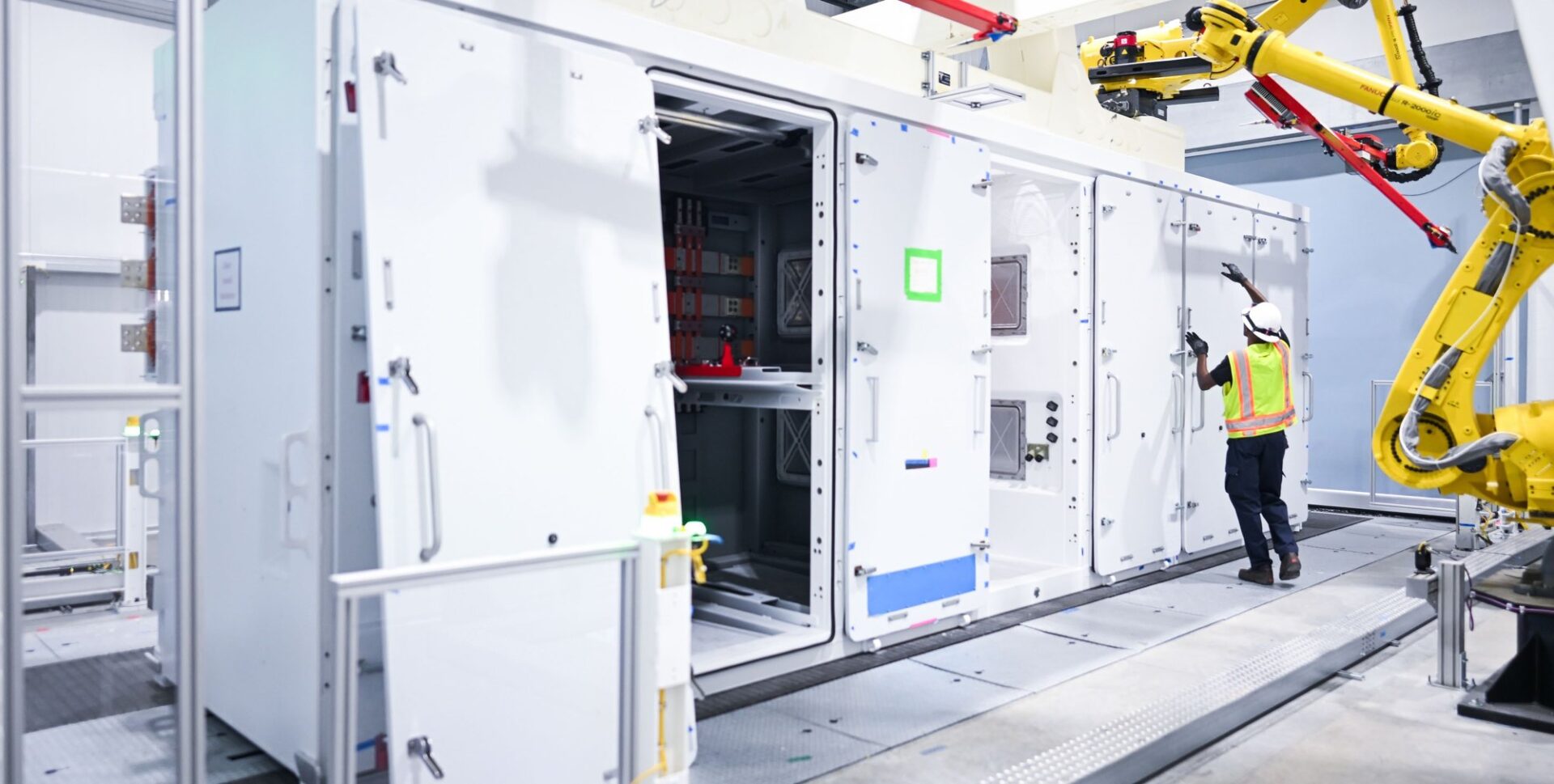
Megafactory Texas began production during the quarter with planned capacity of 50 GWh, according to Tesla. The capacity table lists Megapack at 40 GWh in California, 20 GWh in Shanghai and 50 GWh in Texas, which adds up to 110 GWh of Megapack capacity by our math, plus more than 6 GWh of Powerwall capacity in Nevada. Tesla also reported its “highest-ever order rate and backlog” for energy storage and said it shipped its first Megapacks built solely with its own LFP cells from Nevada.
Storage revenue still fell 16% from a year ago to US$2.88 billion, which Tesla partly put down to tariff-related customer refunds. Gross profit on that revenue works out to a margin of about 33% by our math, up from about 20% in the second quarter.
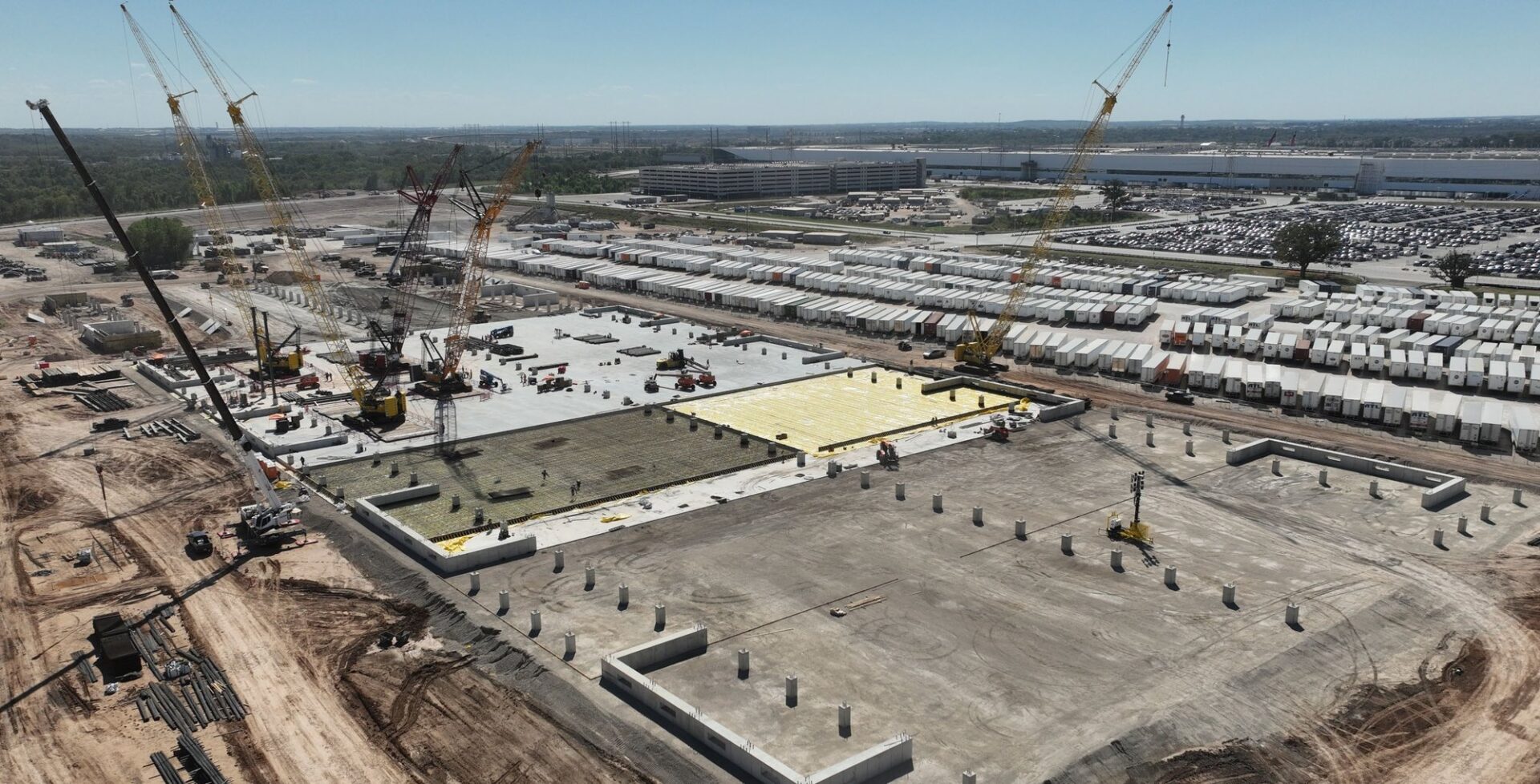
2. The Austin Fab Shows Up in a New Construction Photo

Tesla included an aerial photo of the Austin Fab, which the deck describes as its semiconductor manufacturing facility, and said it “continued construction” there during the quarter. The company plans to start commissioning equipment at the site in 2027.
On the compute side, Tesla plans to reach 400 MW of SI training compute by the end of the year. The deck lists Cortex 1 at more than 105 MW and Cortex 2 at more than 120 MW, both in production in Texas, plus 40 MW of other compute outside those two clusters, for a total of more than 265 MW by our math. The deck doesn’t say whether the Austin Fab is part of Terafab, the chip project Tesla and SpaceX announced in March.
3. The Roadster Still Has No Factory

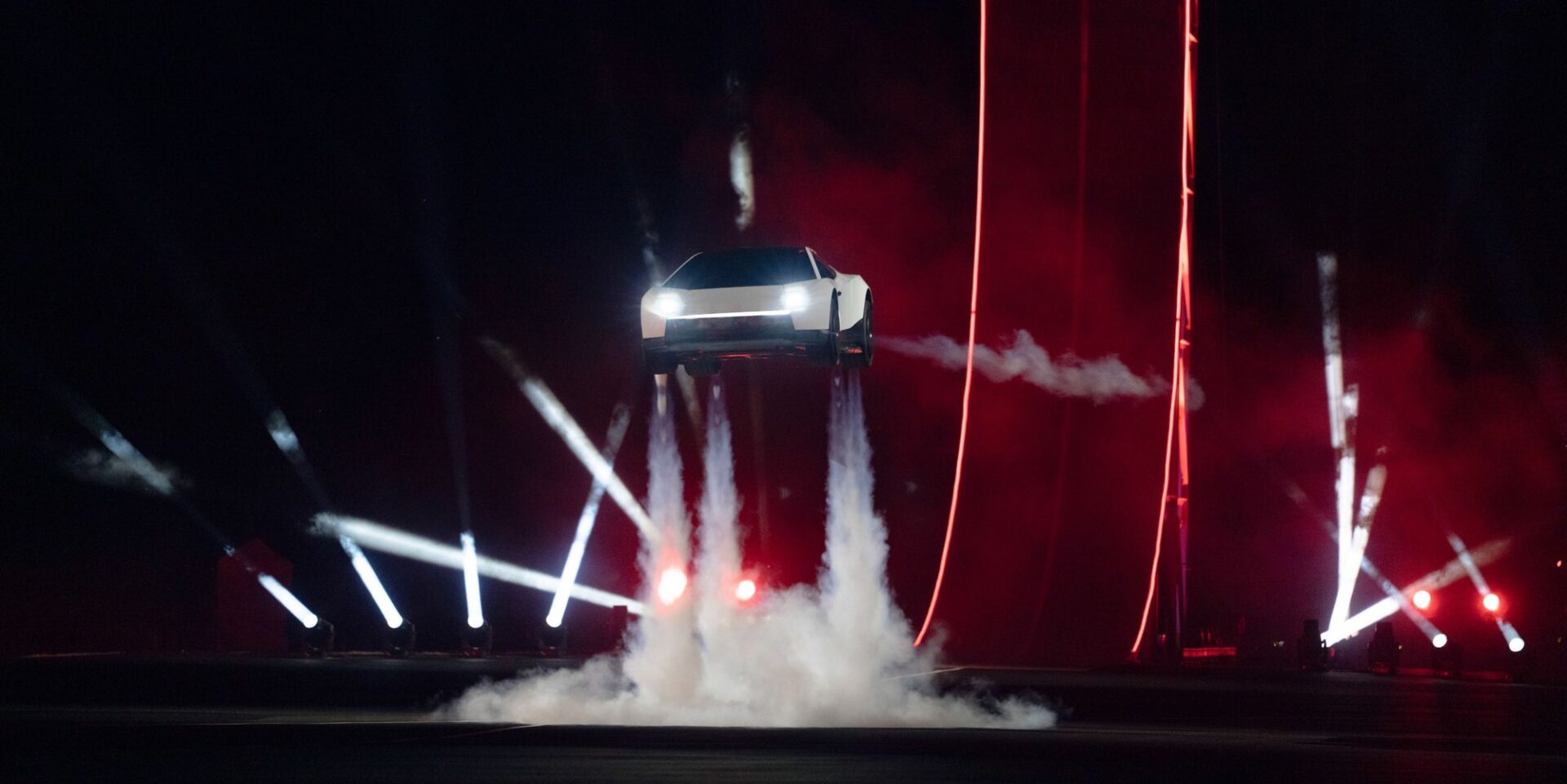
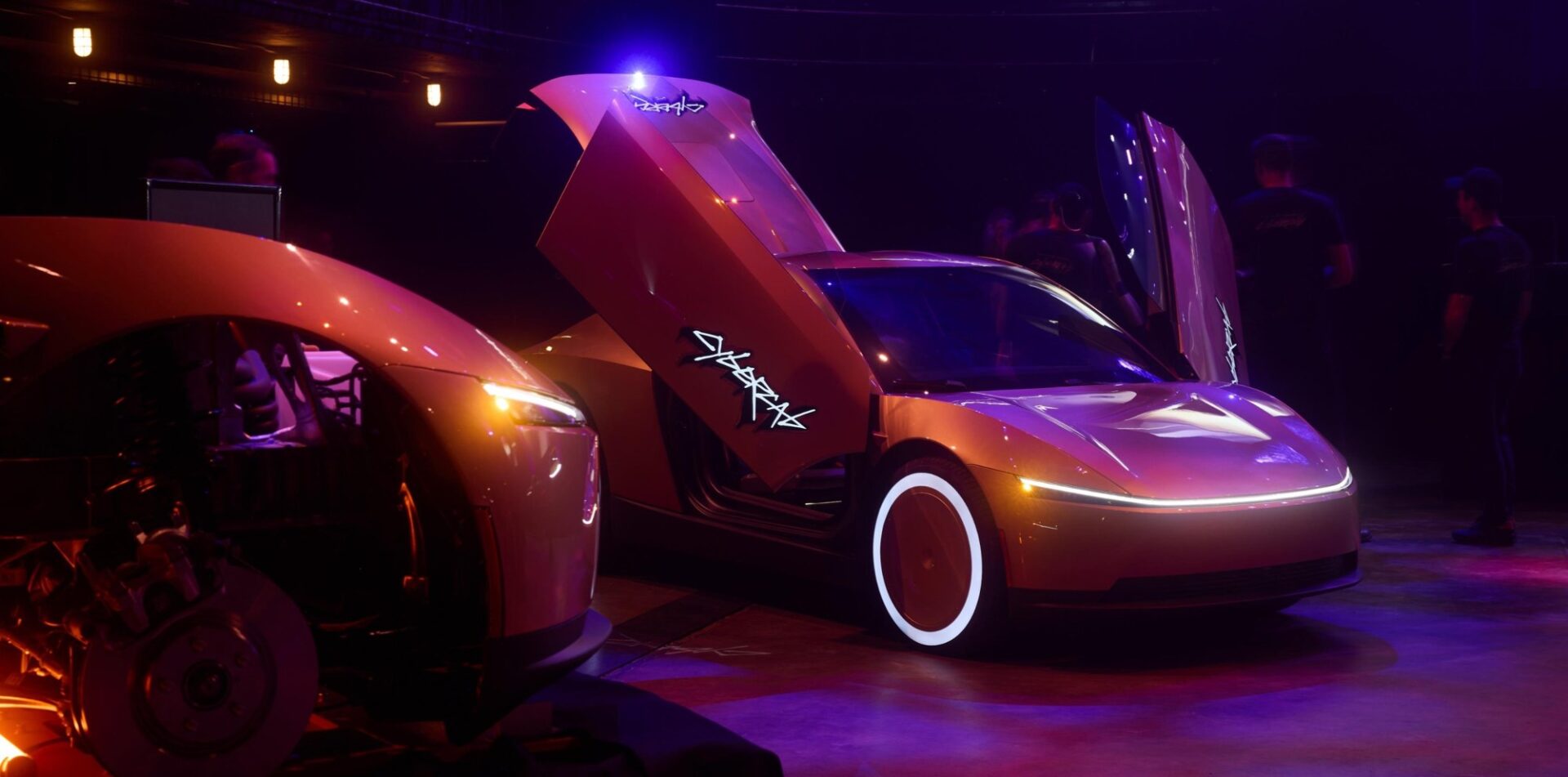
The Next Gen Roadster that Tesla unveiled on October 15 shows up in the capacity table with “TBD” as its region, no capacity figure and a status of “Design development.” Tesla gave the car two slides in the deck’s photo section under the title “The Best of the Last Human-Driven Cars,” but it didn’t say where or when it will be built.
That leaves the timing open for a car Tesla showed in three configurations, including a single-seat Rocket version the company says can fly, as we covered in our Roadster reveal story.
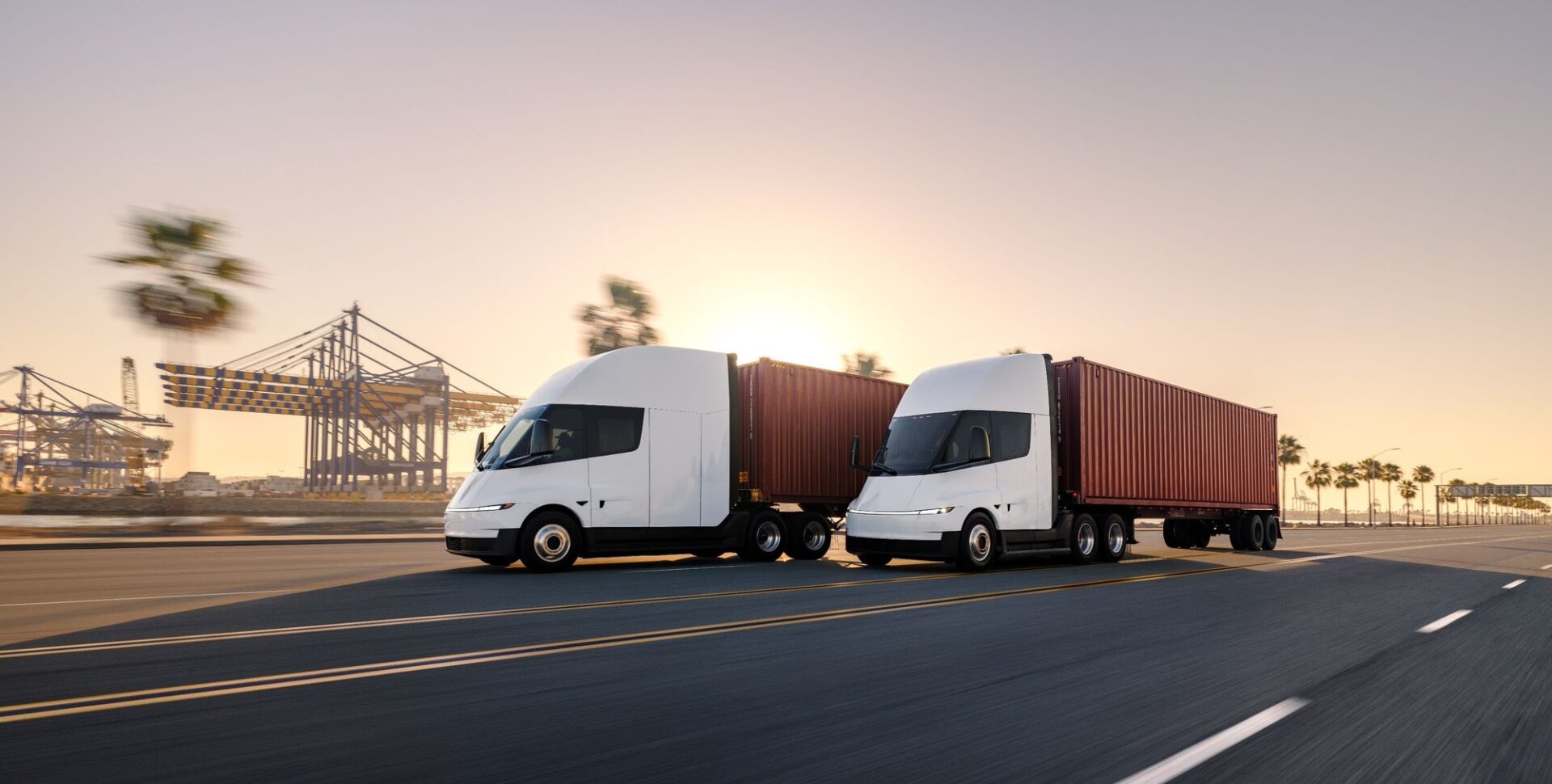
4. Tesla Semi Uses a Third of a Diesel Truck’s Energy

Tesla said it began volume production of the Semi, and the top variant can go 500 miles at a full 82,000 lbs gross combination weight with an efficiency of 1.7 kWh per mile. According to Tesla, that efficiency lets the Semi “use a third of the energy used by a comparable diesel truck to haul the same payload.”
The capacity table lists installed Semi capacity in Nevada at 25,000 trucks a year. That’s half the 50,000 figure in our Semi launch story, but the two numbers measure different things, since 50,000 a year is what the Nevada plant was designed for, while the deck shows what Tesla has installed so far. Tesla also said it deployed its first pre-assembled Megacharger to support the Semi ramp.
5. Canada Had a Record Quarter, but No Number
Canada was one of several markets where Tesla said it achieved record quarterly deliveries, along with Australia, Japan and Taiwan. The deck doesn’t break out deliveries by country, so there’s no way to tell from it how big the Canadian record was. Globally, Tesla delivered 486,532 vehicles in the quarter, and it’s still building out in Canada, including plans for a Supercharger in Inuvik above the Arctic Circle.
6. Supercharger for Business Passes 600 Stalls
Supercharger for Business, the program where property owners buy and host Tesla-run chargers, grew to more than 600 stalls. Tesla says these customer-owned sites let it scale the network while keeping the same performance and service standards as Tesla-owned locations, and it has been walking hosts through the economics. The company also deployed its first Accordion Supercharger, which is pre-assembled in the factory and cheaper to install.
Across the whole network, Tesla added more than 2,100 net new stalls in the quarter. It ended September with 8,904 Supercharger stations and 84,465 connectors, up 15% and 14% from a year ago.
Tesla’s earnings call got underway at 2:30 PM PT today, and we’ll be watching for more on all six of these.
Which of these deck details matters most to you?