SpaceX sees a path to several hundred billion dollars a year in connectivity revenue, Elon Musk said on Tuesday, and he wants to lay out the full Starlink Mobile game plan in a longer presentation of its own.
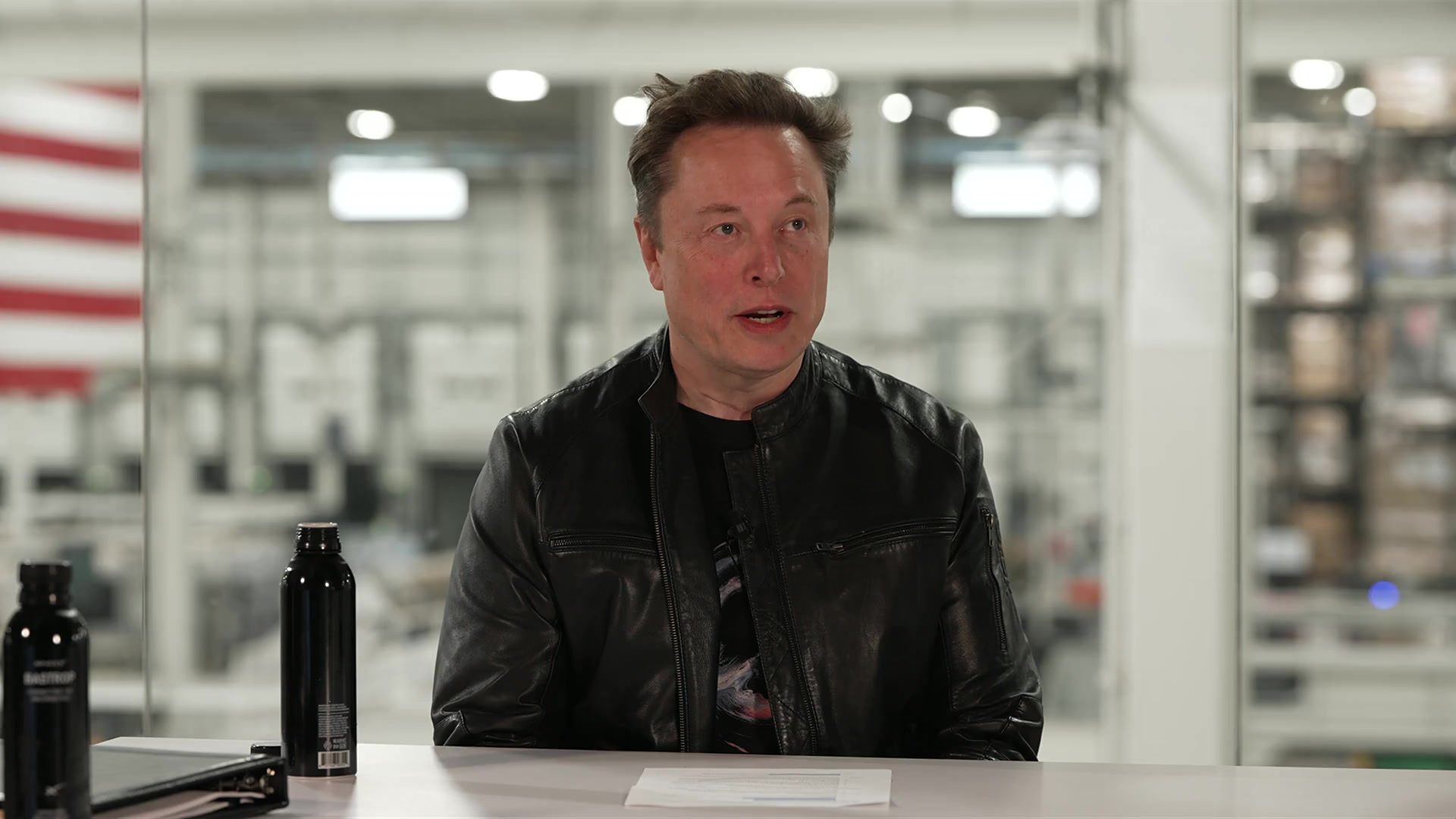
That’s according to SpaceX’s Q3 earnings call on October 20, where an analyst asked how Starlink Mobile’s spectrum could compete with U.S. wireless incumbents and how traffic would split between the satellite and ground parts of the network. Musk said Starlink connectivity could become a business that generates several hundred billion dollars in revenue a year. “I can say we do see a clear path to several hundred billion dollars a year in connectivity revenue,” he said, adding that “you are missing some of the pieces that we know about internally.” He said SpaceX should describe the plan in more detail “in a forum that’s not limited to a few minutes at an earnings call.”
Before handing the question to Musk, SpaceX explained how it sees the network working. Somewhere between 85% and 93% of mobile connectivity already runs over Wi-Fi, the company said, and Starlink broadband handles a lot of that Wi-Fi traffic. S-band spectrum is expected to carry the majority of Starlink Mobile traffic, while the 800 MHz low-band spectrum is there to get signal inside buildings for people who aren’t on Wi-Fi. SpaceX also plans Starlink towers that leverage the real estate from existing Starlink installs, so the ground side of the network isn’t limited to the spectrum it has talked about so far.
After the call ended, Musk followed up on X in a reply to investor @aaronburnett, saying veterans of the cellular industry “don’t see a solution” because they don’t realize SpaceX is building pieces that weren’t on the board before.
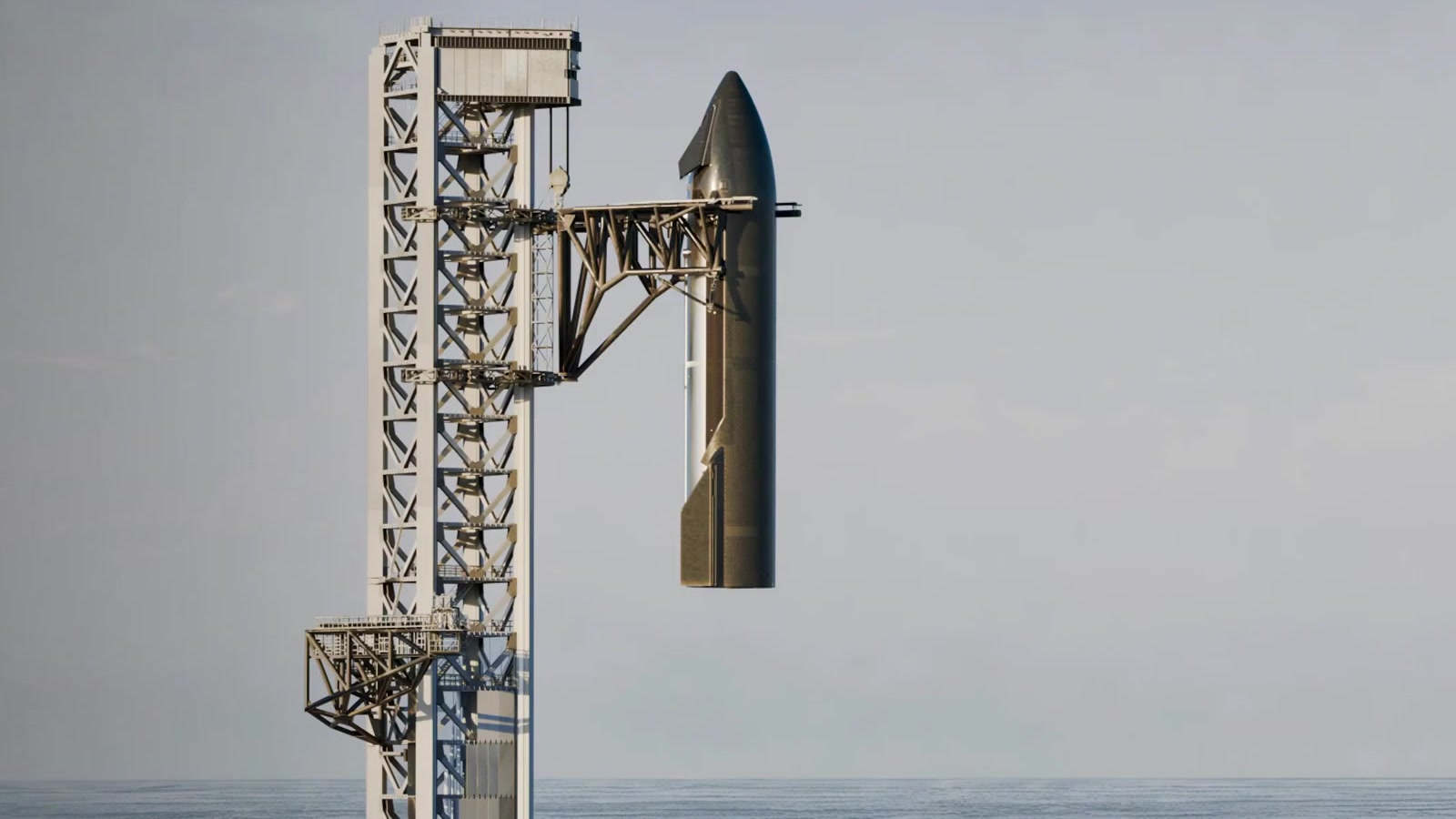
On October 8, SpaceX agreed to buy a nationwide portfolio of up to 14 MHz of paired low-band spectrum in the 800 MHz band to advance its Starlink Mobile strategy, according to its third quarter earnings update. The deal is expected to close in the first half of 2027, subject to regulatory approval. Earlier this month, the FCC also cleared 15,000 next-generation Starlink Mobile satellites, and SpaceX said on the call that it will start flying those Mobile V2 satellites on Starship in 2027, then fold in its spectrum purchases to turn on service in early 2028 and become a major mobile carrier in the U.S.
Outside the U.S., the service already runs through carrier partners. Kyivstar switched on satellite texting in Ukraine in November 2025, the first service of its kind in Europe, and Starlink said on October 19 that Starlink Mobile has connected more than 11 million people over the past year across VEON’s markets in Ukraine, Kazakhstan and Bangladesh. SpaceX told investors on Tuesday that it keeps adding international partners and turning on service with new carriers.
Connectivity is already SpaceX’s biggest earner. Starlink connectivity revenue rose 69% year over year to $5.2 billion in the third quarter, and Starlink ended September with 13.6 million consumer subscribers, according to SpaceX’s Q3 results. That works out to roughly $21 billion a year at the current pace, so several hundred billion dollars a year would mean growing the business more than tenfold.
Would you switch your phone plan to Starlink Mobile if it became a full U.S. carrier?