Tesla Cybercab drive unit
Elon Musk said the Cybercab motor uses no rare earth metals while maintaining the same range, calling the result extremely hard to achieve as Tesla opens the purpose-built robotaxi to public rides in Austin.
That claim matters beyond a technical flex. Rare earth magnets are a choke point in many high-performance EV motors, and supply is concentrated in a small set of countries. A Cybercab drive unit that skips those metals without giving up range would ease cost, sourcing risk, and the volume math Tesla needs if Robotaxi is going to scale past a few dozen cars.
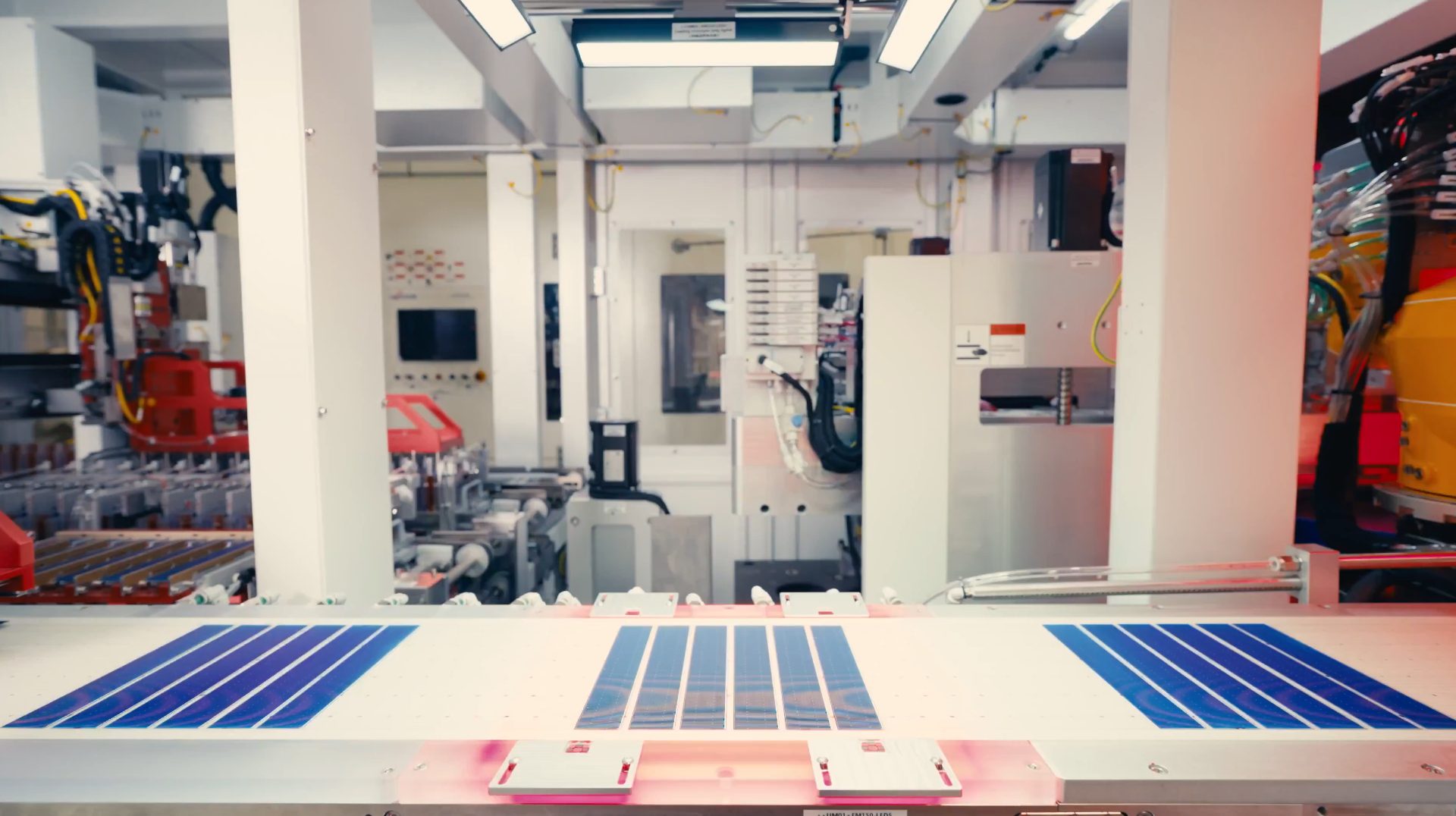
The same launch window has shown a drive unit built for factory speed: a simplified bar-wound stator and lubrication system, plus an architecture Tesla says can support fully automated, sub-10-second cycle times. The unit is also described as 18 percent smaller, 25 percent lighter, and more efficient than other top-performing EV drive units. Pair that with no rare earths and the story is less about one motor and more about a vehicle designed for high-rate autonomous production.
Cybercab already sits at the center of Tesla’s Austin push. The company hosted its invite-only launch on September 3, published a Rider Guide for passengers, and said public rides start Friday at 5:00 p.m. Central Time. Keeping range intact without rare earth magnets is the quiet hardware bet underneath that public debut.