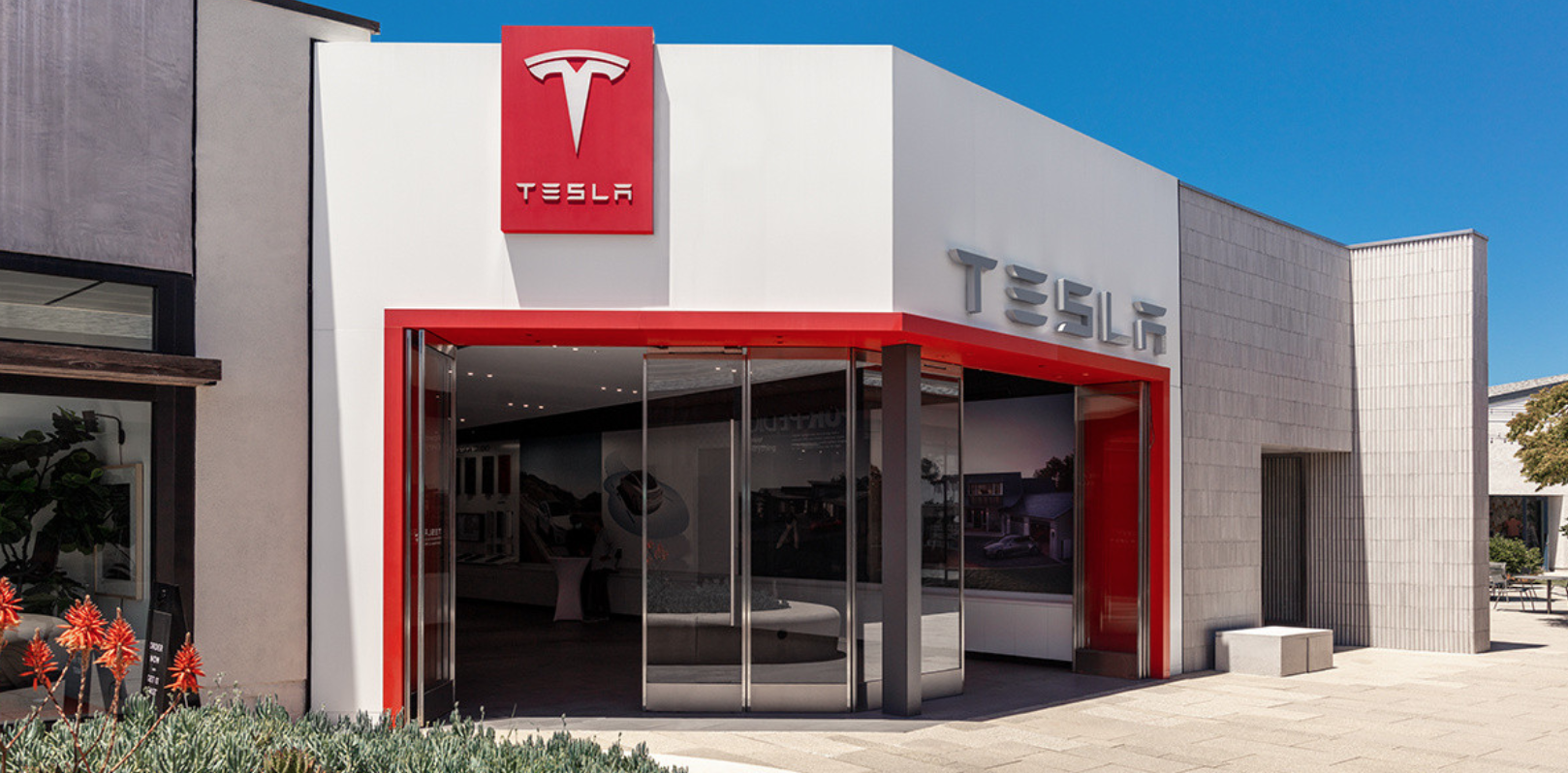
Tesla has filed a lawsuit against the North Dakota Department of Transportation after the state blocked its applications to open company-owned dealerships in Fargo and Bismarck, escalating yet another clash between the automaker and long-standing dealership franchise laws across the U.S.
As first reported by The Bismarck Tribune, the agency denied Tesla’s applications last year, citing a state statute that prevents vehicle manufacturers from selling directly to consumers — a rule Tesla has fought in multiple states since its inception.
North Dakota confirmed Tesla’s applications were rejected under the state’s manufacturer–dealer separation law, which the DOT argues is designed to protect independent dealerships and consumers from being undercut by automakers. Tesla, however, said in court filings that it doesn’t technically meet the legal definition of a “manufacturer” under the state law, since it doesn’t sell vehicles to third-party dealers anywhere. And even if it did, the company says it should still qualify for an exemption meant for cases where no independent dealer is available.
In its suit, Tesla also argues the denials violate the North Dakota Constitution, including protections around equal treatment and the right to earn a livelihood. The state, through Assistant Attorney General Michael Pitcher, countered that Tesla is reading the law too narrowly and that carving out an exemption simply because Tesla refuses to use franchise dealers would undermine the intent of the statute.
Tesla has been battling similar restrictions for years. The company previously fought direct-sales barriers in Delaware after the state denied its sales license in 2021, sued Louisiana in 2022 over its direct-sales ban, and even sidestepped New Mexico’s prohibition by opening a store on sovereign tribal land to sell vehicles to local customers legally. These fights aren’t new — Tesla’s direct-to-consumer model has long drawn resistance from dealership associations and their political allies.
The irony is that Tesla’s model has proved wildly successful. Cutting out the middleman streamlines the buying process, reduces distribution costs, keeps prices more predictable, and gives customers the fixed-price transparency that dealerships have resisted for decades.
Competitors like Rivian, Lucid, and even some legacy automakers have been inching toward versions of the same approach. But dealerships, which rely heavily on service revenue, have little incentive to embrace EVs that require far less maintenance than traditional gas vehicles — a tension that continues to fuel the policy fights.
A hearing in Tesla’s North Dakota case is scheduled for December, with legal experts noting that while Tesla has often won similar battles, each state’s statute is different enough to make the outcome uncertain. Either way, the broader fight over how EVs are sold isn’t going away.

