Ontario Urges B.C. to Scrap Its EV Sales Mandate
Ontario is pressing British Columbia to drop its EV sales targets as both provinces face questions about what comes next for Canada’s auto industry.
Ontario Premier Doug Ford is pressing British Columbia’s new premier to scrap the province’s electric vehicle sales mandate, tying the rules in Canada’s westernmost province to an ongoing fight over auto jobs in Ontario.
Ford published his November 26 letter to B.C. Premier Lorne Doerkson on X, asking him to “immediately follow through on his campaign promise” to end the mandate. Ford argued that Canada’s automakers are facing pressure from both U.S. President Donald Trump’s tariffs and domestic rules. In the letter, he singled out roughly 2,000 jobs at Stellantis’ Brampton assembly plant, which the automaker has agreed to sell.
Doerkson had already made repeal a priority. In his new cabinet’s mandate letters this week, he directed Environment Minister Áʼa:líya Warbus to bring forward legislation to remove the mandatory sales targets. Ford’s letter is a push to move faster, and the existing rules remain in place while B.C. works on legislation.
B.C. first passed its Zero-Emission Vehicles Act in 2019. The previous government moved this spring to cut its 2035 sales target from 100% to 75% and remove the planned ban on new gas vehicle sales. The rules apply to automakers, which earn credits by selling qualifying vehicles, including battery EVs and some plug-in hybrids. For a company like Tesla that sells only electric vehicles, ending the targets could reduce demand for those credits and give rivals more room to decide how many EVs they send to B.C.
Ford is also pushing Ottawa on a separate set of rules. On the same day, he and Unifor president Lana Payne called for a federal exemption from passenger-vehicle emissions penalties for companies that build cars in Canada. They tied that request to commitments to keep production in Canada, including reversing the Brampton plant sale. Ottawa announced in February that it would replace its federal EV sales mandate with tougher fleet emissions standards.
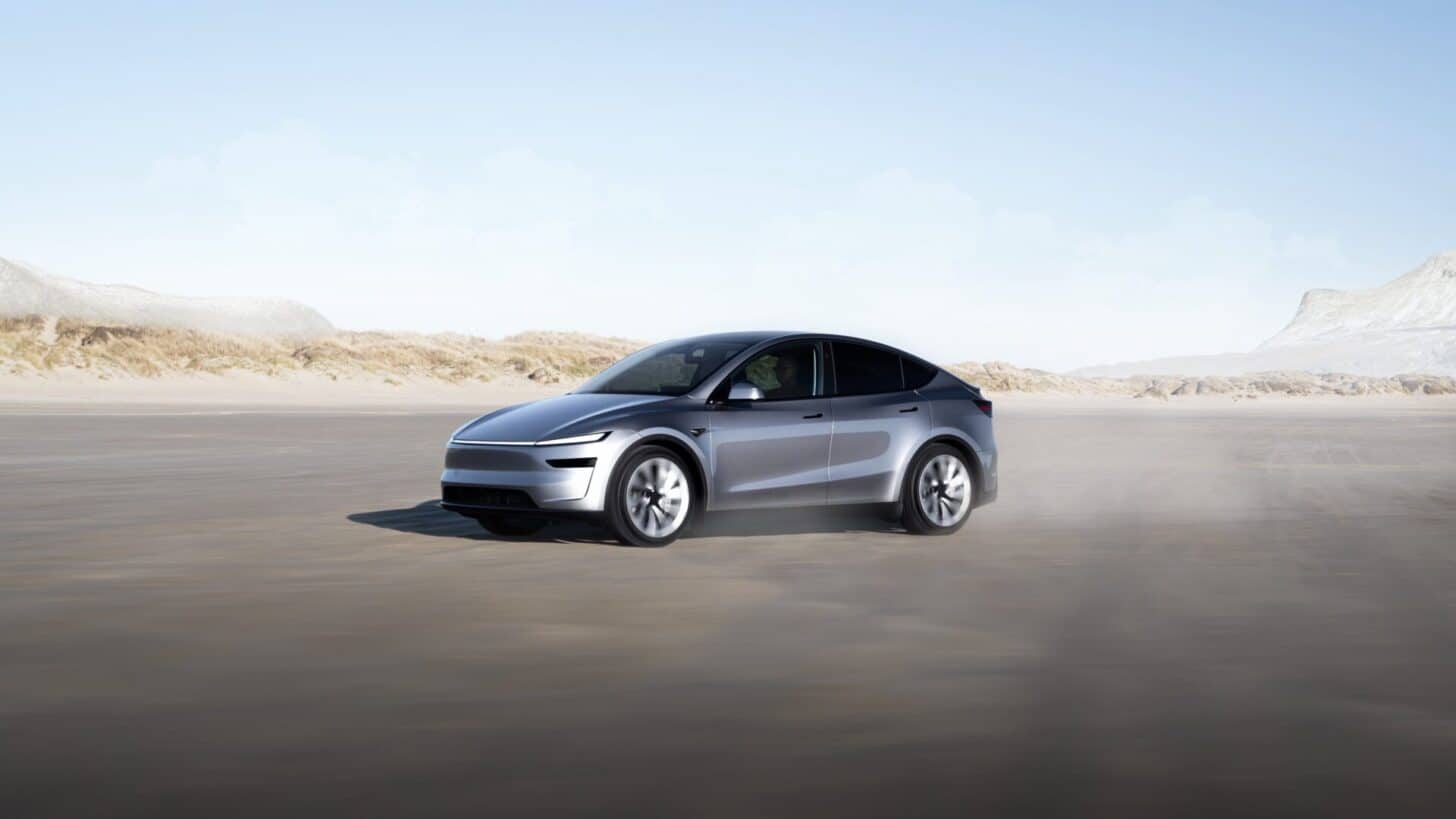
The provincial sales targets are separate from what buyers pay at the dealership. The federal EV incentive is its own program, and Tesla has previously confirmed that its Model Y RWD qualifies for a $5,000 CAD rebate. Provinces can set their own purchase incentives, too, as the fight over Tesla’s exclusion in Manitoba shows.
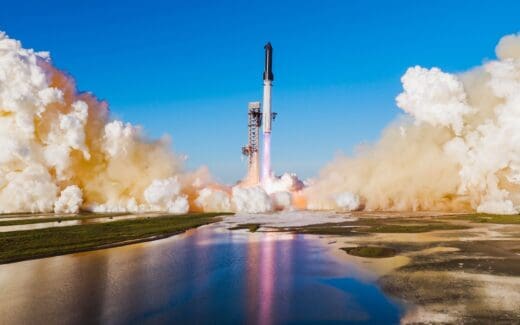
This isn’t the first time Ford has taken aim at U.S. tariffs in a dispute involving a company run by Elon Musk. Ontario signed a $100 million CAD deal with SpaceX in November 2024 to bring Starlink internet to about 15,000 underserved homes and businesses, including in rural and northern communities. Ford’s government cancelled it in 2025 as part of its response to U.S. tariffs and later agreed to a confidential settlement with SpaceX.
Ontario’s teachers had a different experience with Musk’s rocket company. The Ontario Teachers’ Pension Plan, which invests separately from the provincial government, says SpaceX helped drive its 9.5% total-fund return in the first half of 2026. U.S. securities filings show its reported holding fell about 41% from June 30 to September 30. It still held 29.9 million SpaceX shares worth about $4.51 billion USD at the end of September.
Would scrapping B.C.’s sales targets change which EVs you expect to see on dealer lots?
Tesla news, every morning.
Software updates, deliveries, FSD rollouts. Five minutes. Free.