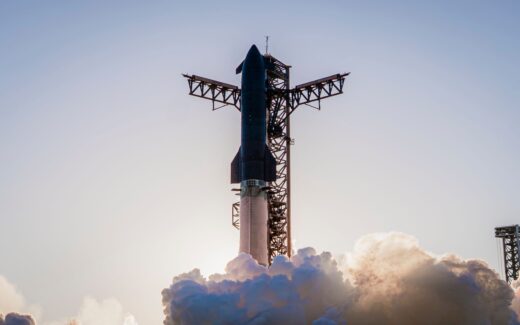
SpaceX Moves Ship 42 to the Pad Ahead of Historic Double Catch Attempt
Ship 42 is at the Starbase pad as SpaceX prepares Flight 15 for a November 13 launch target and an ambitious two-stage catch attempt.

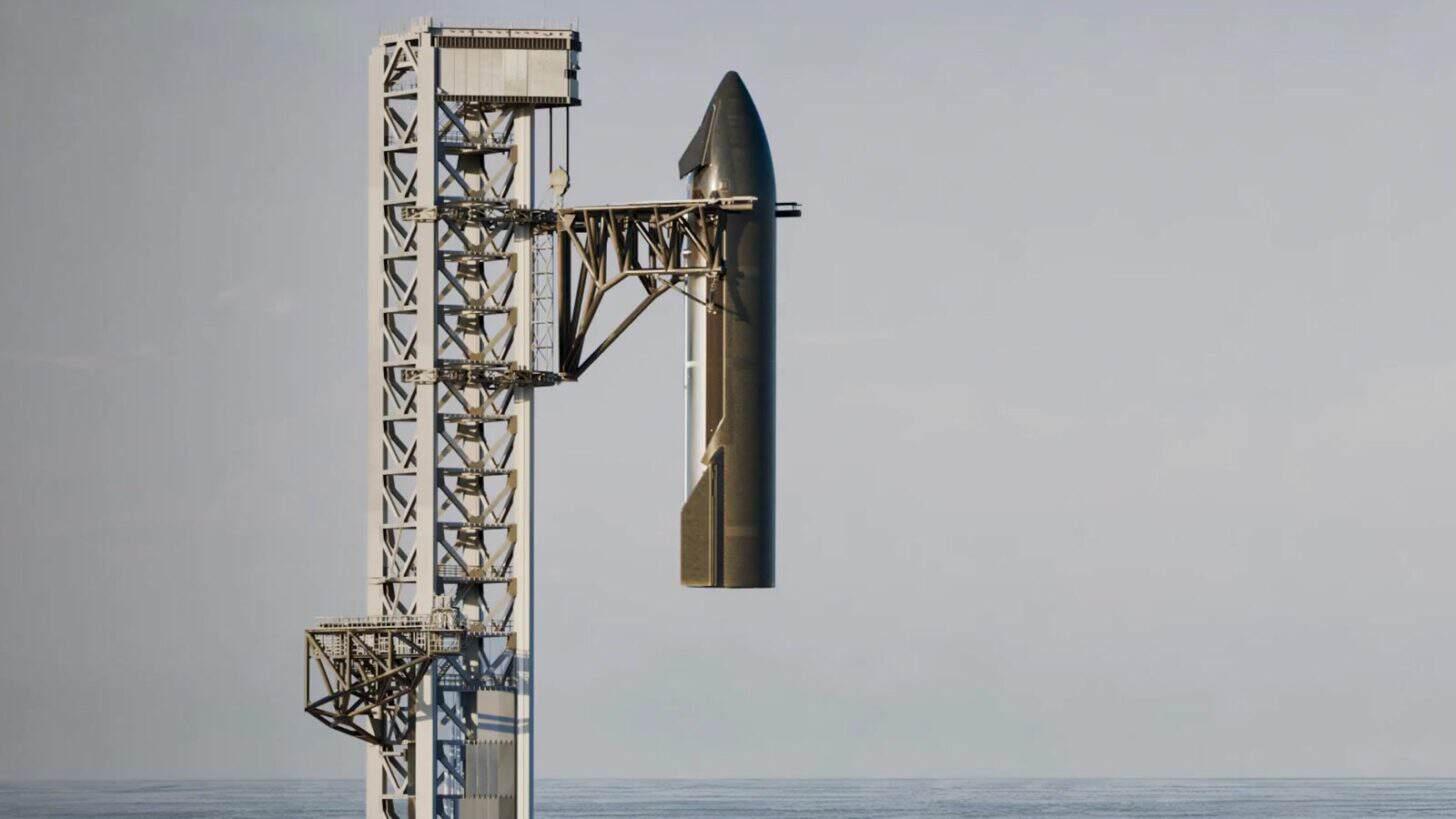
SpaceX has moved Ship 42 to the launch pad at Starbase, bringing its next Starship test another step closer to an ambitious attempt to catch both stages of the rocket.
The company shared four photos of the move in a November 12 update, saying the spacecraft was heading to the pad ahead of launch. The rollout is a new preparation milestone, not confirmation that the flight has received its final clearance.
SpaceX’s official Flight 15 mission page still targets Friday, November 13, pending regulatory approval. A 75-minute window opens at 4:45 p.m. Central, with webcast coverage expected about half an hour before liftoff.
The plan calls for Super Heavy to return shortly after launch and Starship to follow after roughly 14 orbits over more than 22 hours. That makes this a two-day mission to watch, rather than two catches happening back-to-back.
Starship is also set to deploy 26 Starlink V3 satellites. Three carry cameras intended to inspect its heat shield, helping flight controllers decide whether the vehicle is healthy enough to return. The ship will only approach Starbase if critical reentry, landing-burn and tower-approach systems pass the required checks.
The move follows a series of hardware tests. SpaceX fired all 33 engines on the Flight 15 booster in October, then confirmed Ship 42 had completed a six-engine static fire and a separate single-engine firing to simulate a deorbit burn. Those ground tests check propulsion systems without committing the vehicles to flight.
SpaceX has caught Super Heavy boosters before, but returning the upper-stage Starship to a tower is a different challenge. The spacecraft must first survive atmospheric reentry, then guide itself through the final descent and landing manoeuvre.
The company’s previously outlined catch plan includes opportunities to end the mission over the ocean if a safe return is not possible. Earlier Starship flights used ocean landings to develop the heat shield and controlled descent before attempting a return to the launch site.
The larger goal is rapid reuse of both stages. Recovering the ship as well as the booster would be an important step toward flying the complete system again, although a successful catch alone would not demonstrate fast refurbishment or a rapid reflight.
Will Flight 15 deliver both catches, or will the upper stage need another test before returning to Starbase?
Tesla news, every morning.
Software updates, deliveries, FSD rollouts. Five minutes. Free.