Image: SpaceX
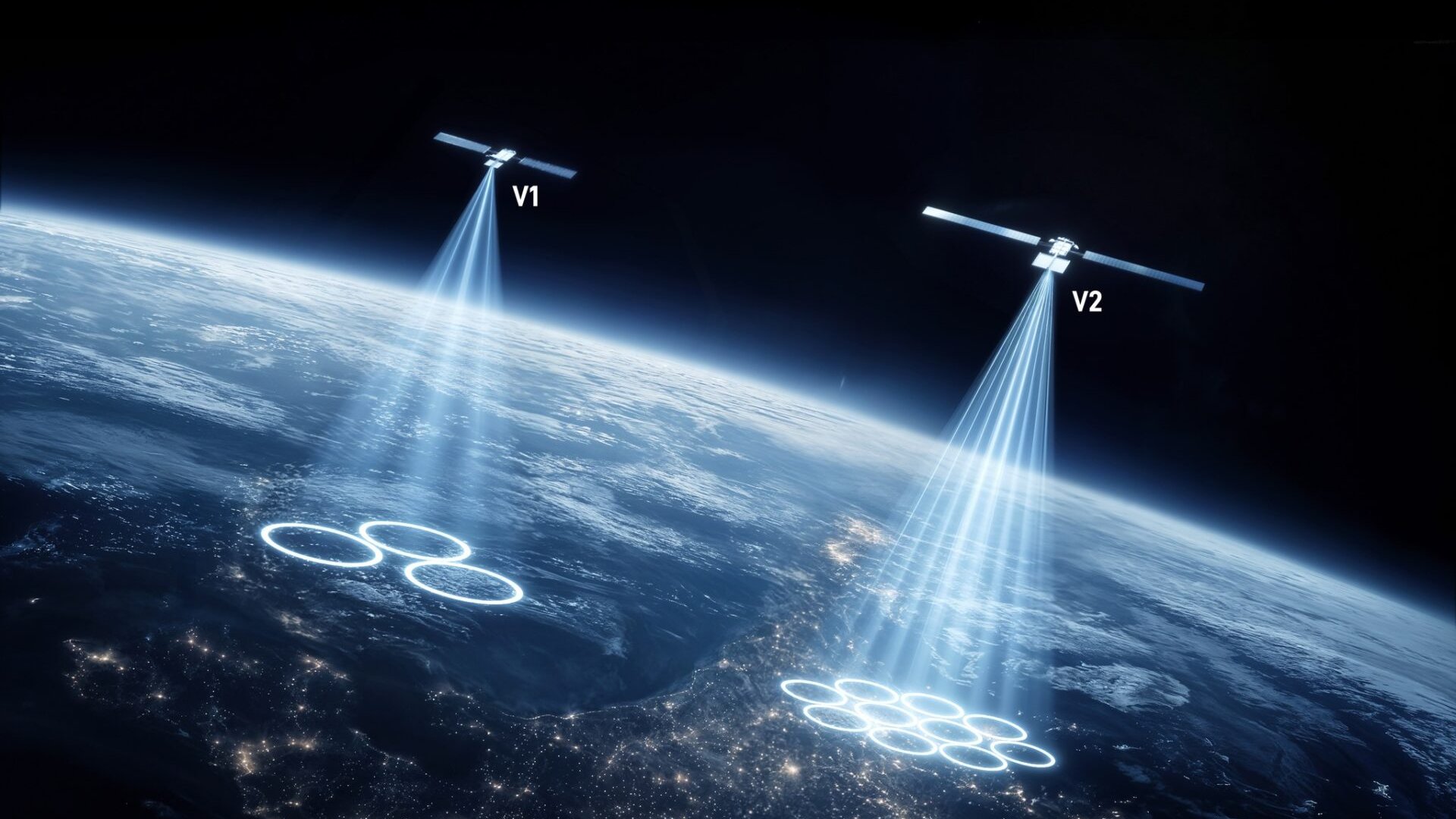
SpaceX told the Federal Communications Commission on October 28 that T-Mobile is pushing outdated satellite-to-phone rules that would create buffer zones of more than 400 kilometers around cell sites and cut millions of people off from Starlink Mobile.
In reply comments filed for the U.S. run-up to the 2027 World Radiocommunication Conference, SpaceX asked the Commission to reject T-Mobile’s proposed base-station protection limits. The filing landed as the agency moved to unlock 482 MHz more spectrum for satellite-to-phone service.
SpaceX said it has “worked extensively with other operators, including T-Mobile,” through the advisory committee process. It then argued that “the misplaced desire to harm a competitor has led many incumbents to oppose modernized rules that would bring direct-to-cell service to underserved border communities.”
According to the company, demanding base-station protection at a -6 dB interference-to-noise level for 100% of the time produces those 400-kilometer buffers, “disenfranchising millions from direct-to-cell service in the countries where the limit is applied.” SpaceX urged the Commission not to adopt the limits.
A section of the filing is blunt about T-Mobile continuing to push “antiquated technical rules.” SpaceX said directional cell towers are more resilient than handsets, so a long-term protection figure should apply 80% of the time rather than all the time until the criteria are rewritten separately for towers and phones.
The same comments also hit the Aerospace and Flight Test Radio Coordinating Council, which SpaceX called “purely a lobbying organization whose mission is to protect legacy companies,” and asked the Commission to ignore its proposed power limits for aeronautical telemetry bands.
This international rules fight sits beside the domestic spectrum scrap in which AT&T, Verizon and T-Mobile lobbied the FCC as Starlink Mobile closed in. SpaceX is also building out the ground side of that push, including a plan for tens of thousands of cell sites to make the service act more like a real carrier.
Will the FCC keep the older tower-protection criteria T-Mobile wants, or side with SpaceX’s push to modernize them for direct-to-cell?