Credit: Tesla Robotaxi/X
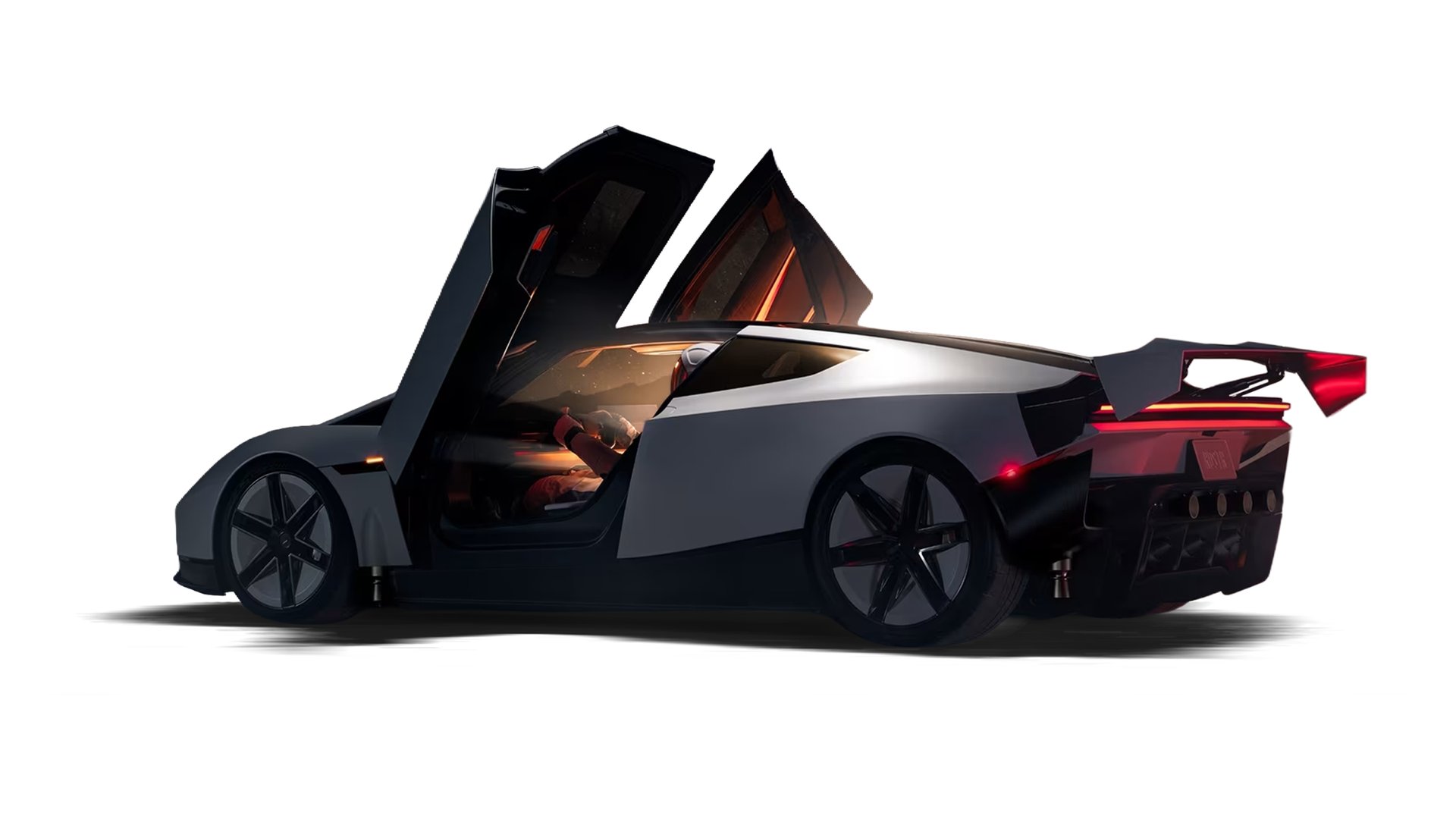
Tesla’s first reported Cybercab crash happened at about 5 mph in an Austin parking lot, when the two-seat robotaxi drove into a large pothole filled with water, according to crash data published by the National Highway Traffic Safety Administration (NHTSA). A safety monitor was inside the car, there were no passengers, and nobody was hurt.
The incident shows up in Tesla’s September filing under NHTSA’s Standing General Order, which requires companies running automated driving systems to report crashes on public roads and in places like parking lots. Tesla lists the vehicle as a 2026 Cybercab running its automated driving system, and marks the system as verified engaged and operating within its approved driving area. The crash happened in August at 12:53 PM, in clear weather, while the Cybercab was proceeding straight.
NHTSA’s database records the damage as property damage only, with no injuries reported. The contact point was the bottom of the car, no airbags went off and the Cybercab didn’t need to be towed. Tesla’s short narrative says the vehicle was “going as fast as 5MPH” when it “drove into a large pothole filled with water,” and adds that the safety monitor was on board with no passengers. Video of the event is listed as available, though NHTSA doesn’t publish it.
Several other Tesla reports were filed alongside it. The September batch has seven Tesla crashes in Texas, all from August, with the other six involving Robotaxi Model Y vehicles in Austin and Dallas at speeds of 3 mph or less. Every one of them is listed as property damage with no injuries.
The Austin American-Statesman was among the outlets to report it as Tesla’s first Cybercab crash, alongside a wider count of robotaxi wrecks in Texas. Tesla fans on X pushed back on that framing this week, arguing that a walking-pace dip into a hidden pothole says more about the parking lot than about the car.
Because a safety monitor was on board, this crash also falls outside the numbers in Tesla’s new Robotaxi Safety Report, which only counts miles and collisions from rides with nobody from Tesla inside the car. That report claims 3.1 million driverless miles with zero injuries and zero airbag deployments through October 18.
Cybercab has been ramping up quickly in Austin since then. Tesla has grown its Austin Cybercab fleet past 300 cars, and the service now runs until 1 AM with Circuit of the Americas inside the map for Formula 1 weekend. The car is also under a separate NHTSA review, as Tesla has been asked to explain how it certified a robotaxi with no steering wheel or pedals.
Potholes are a real test for any driverless car, especially one with no human ready to grab a wheel. Do you think a flooded pothole at 5 mph counts as a crash worth reporting, or is the system working as intended?