Ford is officially entering the race to deliver eyes-off self-driving technology — and it’s doing so in a way that breaks from the industry’s usual playbook. According to a report from CNBC, the automaker plans to debut Level 3 “eyes-off” driving on a roughly $30,000 all-electric vehicle in 2028, making the feature accessible on a mainstream EV rather than a high-end flagship.
The announcement, made during CES in Las Vegas, puts Ford into more direct competition with Tesla, General Motors, Rivian, and a growing list of tech companies chasing advanced autonomy. What stands out, however, is Ford’s decision to prioritize affordability. While GM plans to roll out its own eyes-off system on the Cadillac Escalade IQ that starts north of $127,000, Ford is aiming for mass-market scale from day one.
“It’s part of what has evolved to be a broader technology strategy of putting our best and newest technology where the volume is and where the accessibility is,” Ford’s chief EV, digital, and design officer Doug Field told CNBC.
The first vehicle to feature the new system will be built on Ford’s upcoming Universal EV (UEV) platform, which was developed by a dedicated “skunkworks” team tasked with rethinking the company’s EV strategy. “One of the things we’re seeing is just how much faster our development process works on this product and this architecture compared to what we’ve done in the past,” Field said. “So, we have a lot of confidence in our ability to get this out.
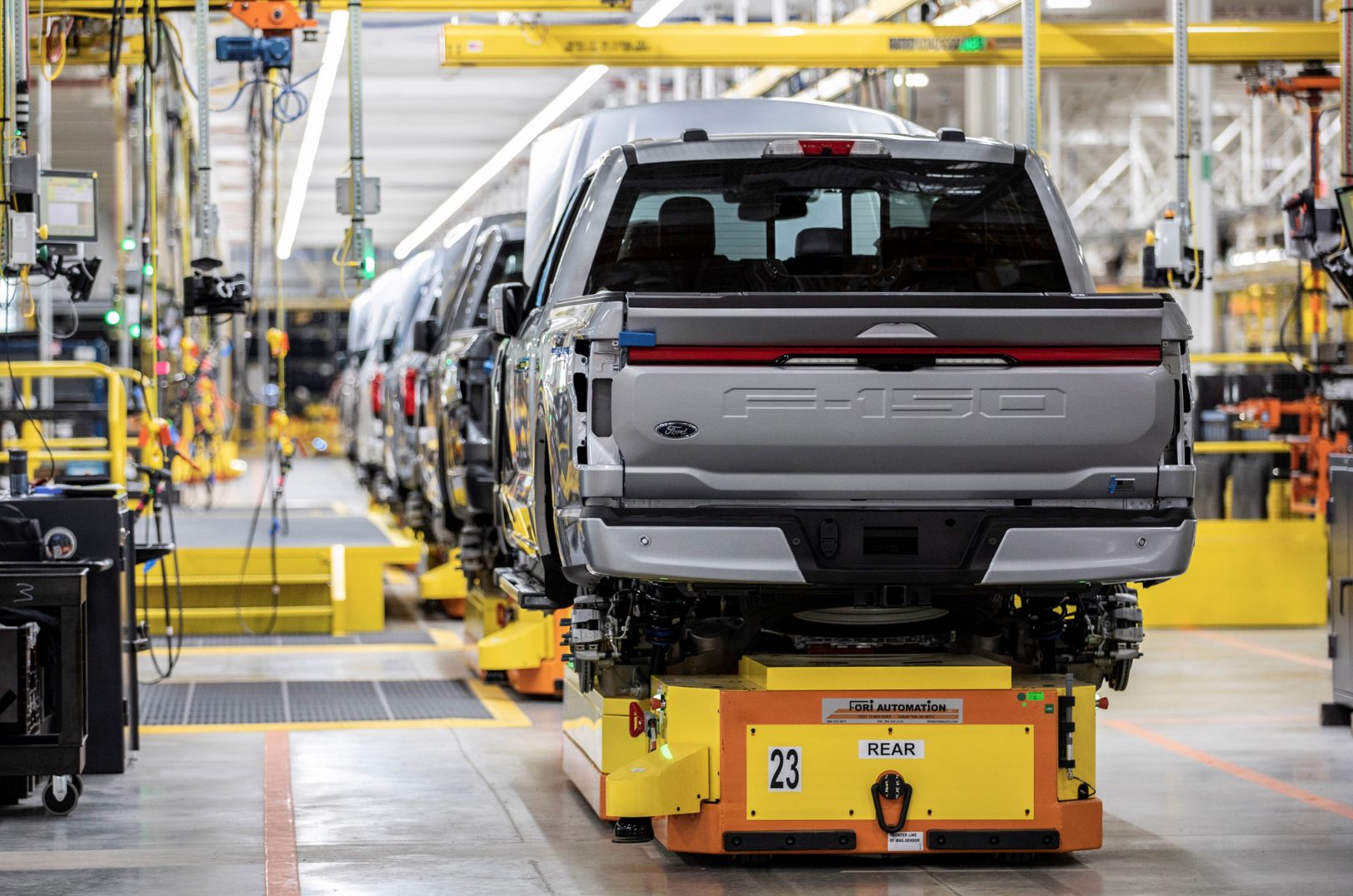
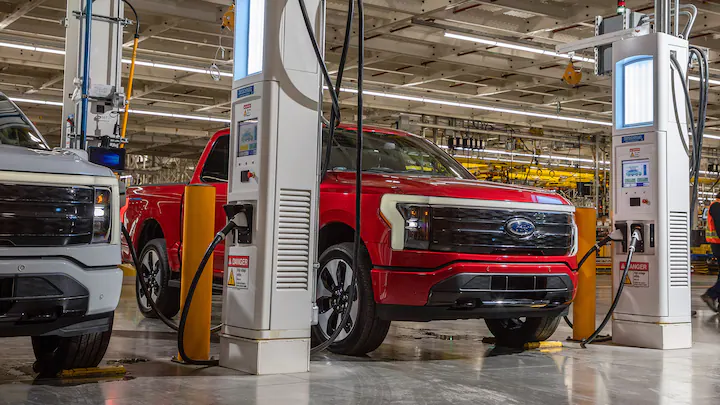
This pivot comes after Ford dramatically scaled back its electrification ambitions last month, including pulling the plug on the all-electric F-150 Lightning and taking a massive $19.5 billion write-down tied to its EV business.
Ford’s eyes-off system will qualify as Level 3 automation, meaning drivers can take their eyes off the road under specific conditions. This goes a step beyond Ford’s current BlueCruise system, which is considered Level 2 and still requires driver attention. Field, a former Tesla and Apple executive, added that the goal is to commoditize the technology over time by relying on in-house software and a lower-cost sensor stack.
The timing is notable. CES 2026 has already been packed with autonomous driving announcements, including Nvidia’s unveiling of Alpamayo, a turnkey vehicle AI platform positioned as a rival to Tesla’s Full Self-Driving system. Meanwhile, Tesla continues to dominate U.S. EV sales, with Ford’s Mustang Mach-E losing its consolation crown as the bestselling non-Tesla EV in 2025 to Chevrolet’s Equinox EV.
Alongside autonomy, Ford also revealed a new AI assistant set to launch in its mobile apps in early 2026, followed by in-vehicle integration in 2027. The assistant will leverage vehicle-specific data to handle tasks like towing checks and cargo estimates, all powered by a new centralized vehicle “brain” debuting with the UEV platform.
After years of false starts, Ford is betting that software, autonomy, and affordability — not brute-force electrification — will define its next chapter.