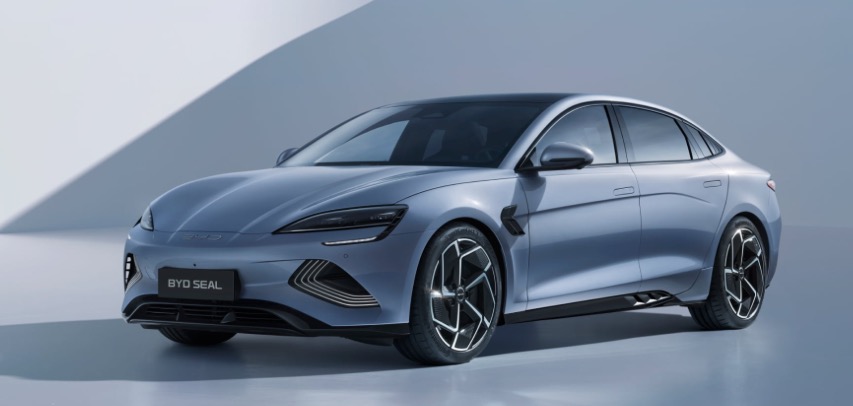
Tesla has officially lost its long-held title as the world’s top electric vehicle seller, with Chinese automaker BYD overtaking the U.S. EV pioneer in global sales for 2025. According to new figures reported by CNN, BYD delivered 2.26 million electric vehicles last year, up nearly 28% year-over-year, while Tesla posted 1.64 million deliveries, marking its second consecutive annual sales decline.
The shift is notable not just for the scale, but for how quickly the balance has changed. Tesla CEO Elon Musk famously brushed off BYD as a competitor back in 2011. Fourteen years later, the Shenzhen-based automaker has surpassed Tesla despite not selling its vehicles in the U.S. market at all — a market that still accounts for nearly half of Tesla’s revenue.
Tesla’s struggles were particularly evident in the fourth quarter. The company reported Q4 2025 deliveries of 418,227 vehicles worldwide, narrowly missing analyst expectations of 422,652 units. That figure was down roughly 15% year-over-year, following a record Q3 that was boosted by American buyers rushing to secure EVs before a $7,500 federal tax credit expired on October 1. While Tesla finished 2025 with 1,636,129 total deliveries, the momentum clearly slowed as the year went on.
A combination of factors weighed on Tesla’s performance, including the loss of U.S. tax incentives, intensifying competition from both Chinese and legacy automakers, and political backlash tied to Musk’s high-profile role in the Trump administration’s Department of Government Efficiency. Tesla attempted to counter the demand slowdown by introducing cheaper versions of the Model 3 and Model Y, but those trims came with reduced range and fewer features.
BYD, meanwhile, has been navigating its own challenges. Although it now leads globally in EV sales, its growth has slowed in China amid fierce price wars, shrinking market share, and declining profits in the second and third quarters of 2025. Still, its ability to scale internationally has proven decisive.
Despite losing the EV sales crown, Tesla continues to position itself as more than just an automaker. Alongside its core vehicle business, the company is betting heavily on fully autonomous Robotaxis, with plans to scale beyond pilot programs in Austin and the Bay Area this year. Tesla’s purpose-built Cybercab is slated to enter mass production in April, while its Optimus humanoid robots and rapidly growing energy storage division — which delivered a record 14.2 GWh in Q4 — remain central to Musk’s long-term vision.


