SpaceX Falcon 9 Booster Flies for the 29th Time on USSF-266
SpaceX launched the U.S. Space Force’s USSF-266 mission from Vandenberg and landed Falcon 9’s first stage after its 29th flight.


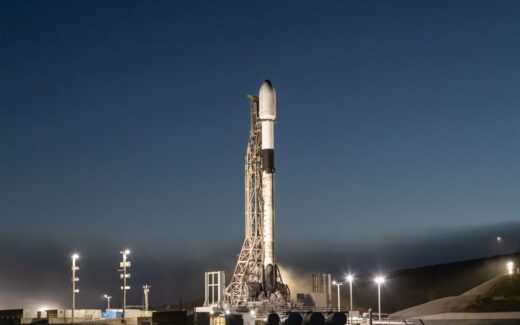
SpaceX launched a classified U.S. Space Force mission from California on November 24, then landed the Falcon 9 first stage after its 29th flight. The rocket lifted off at 8:08 a.m. Pacific time from Space Launch Complex 4 East at Vandenberg Space Force Base.
The mission was designated USSF-266. SpaceX showed liftoff on its launch webcast and later confirmed the first-stage landing on the Of Course I Still Love You droneship in the Pacific Ocean. The landing is separate from what happens to the payload: the first stage drops away after the initial climb, while the upper stage continues on with the payload. SpaceX’s public mission page did not identify the spacecraft or describe what it was built to do.
The first stage, known as B1081, has flown everything from astronauts to Earth-science satellites. SpaceX’s mission history lists NASA’s Crew-7 astronaut flight, a Dragon resupply mission, NASA’s PACE Earth-observation mission and 16 Starlink flights among its earlier launches. Another flight and recovery show how the same booster can serve civilian, commercial and government missions, depending on the payload riding on top.
Tuesday’s flight returned SpaceX to the pad it used for the USSF-317 mission on November 20 and NROL-136 on November 22. SpaceX called the 32 hours between those two earlier missions its fastest turnaround between launches from one pad. That record measures how quickly the pad can be used again, not how quickly a single booster can be turned around.
Tesla news, every morning.
Software updates, deliveries, FSD rollouts. Five minutes. Free.