Neuralink’s New Brain Implant Trial Includes Stroke Patients
Neuralink’s PRIME2 study plans to enroll 10 adults, including people with chronic ischemic stroke, to test computer control with its N1 brain implant.

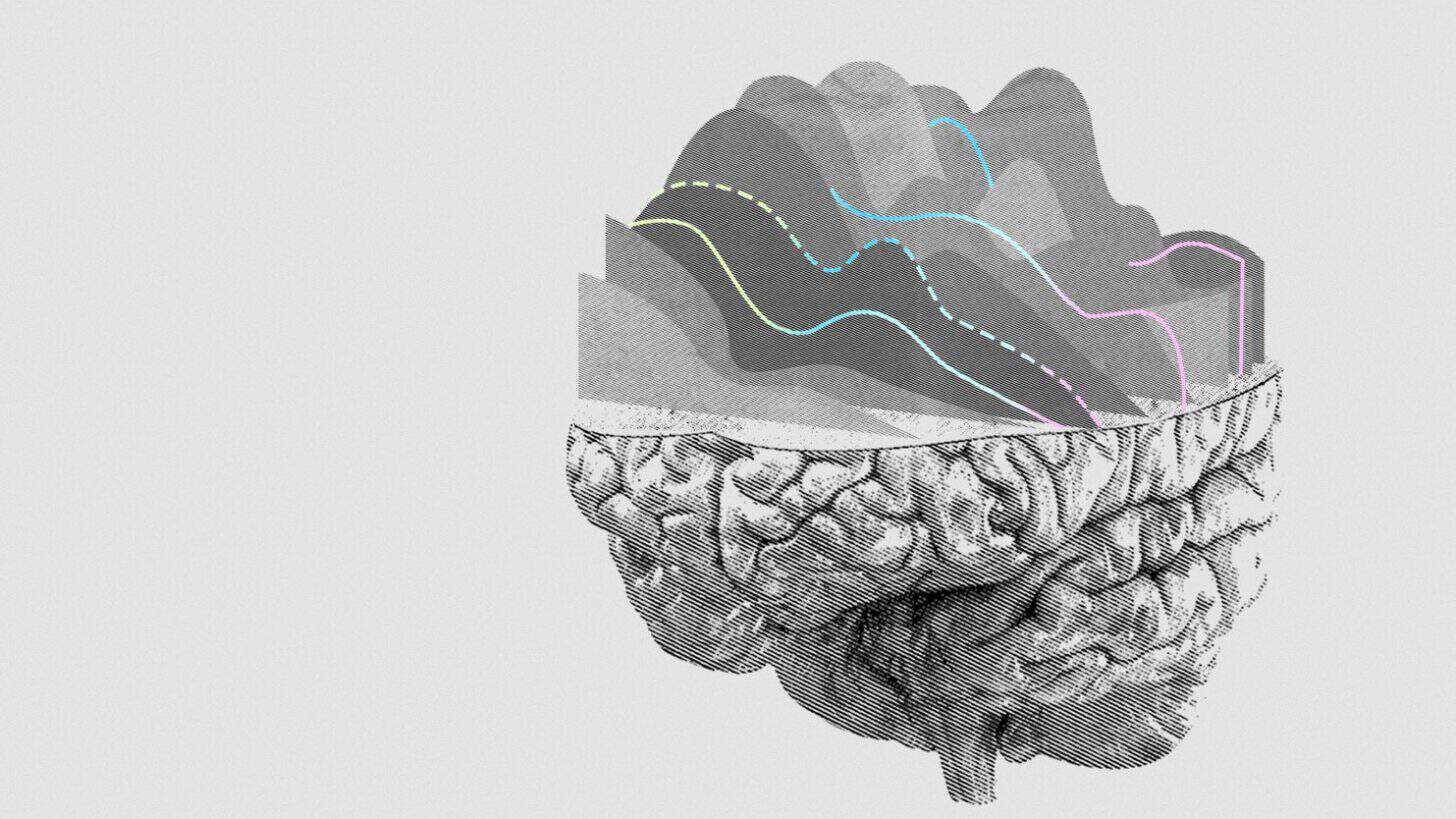
Neuralink has registered a new U.S. brain-implant study that includes people with lasting impairments after an ischemic stroke, broadening the eligibility listed for its original PRIME trial.
The new study, called PRIME2, was first posted on ClinicalTrials.gov on November 10 and is listed as recruiting. Neuralink plans to enroll up to 10 adults across as many as five U.S. sites. The University of Miami is currently the only recruiting location named in the record.
Participants will use Neuralink’s N1 Implant to control a computer cursor or virtual keyboard through brain signals. The R1 surgical robot places the implant’s threads in the motor cortex. The study will assess safety and early effectiveness, rather than whether the implant can restore natural movement to an arm or leg.
How PRIME2 expands eligibility
The original U.S. PRIME study listed severe quadriplegia caused by spinal cord injury or ALS. PRIME2 includes those conditions alongside chronic ischemic stroke, with detailed requirements for each group.
For the stroke group, the event must have occurred at least 12 months before screening and left weakness in the arm that was dominant before the stroke. Applicants must also meet the study’s dexterity and medical criteria. Inclusion in the registry does not mean every stroke survivor is eligible.
The trial will track serious device-related adverse effects and assess everyday digital activities, computer-control performance and independent use. Participants are expected to be followed for about two years after implantation, with an optional extended follow-up.
That computer-control focus builds on uses already demonstrated by Neuralink participants, including steering a robot vacuum. It is a separate milestone from Musk’s longer-term prediction that Neuralink will help people walk again.
Neuralink’s new registration lists an estimated November 2026 start, but does not report completed implants or results. The N1 system remains investigational, and this is an early feasibility study without a separate comparison group.
Which everyday digital tasks would you most like to see brain-computer interfaces make easier?
Tesla news, every morning.
Software updates, deliveries, FSD rollouts. Five minutes. Free.